News & Insights
WildMon joins Amazon.ia to advance biodiversity intelligence across the Amazon
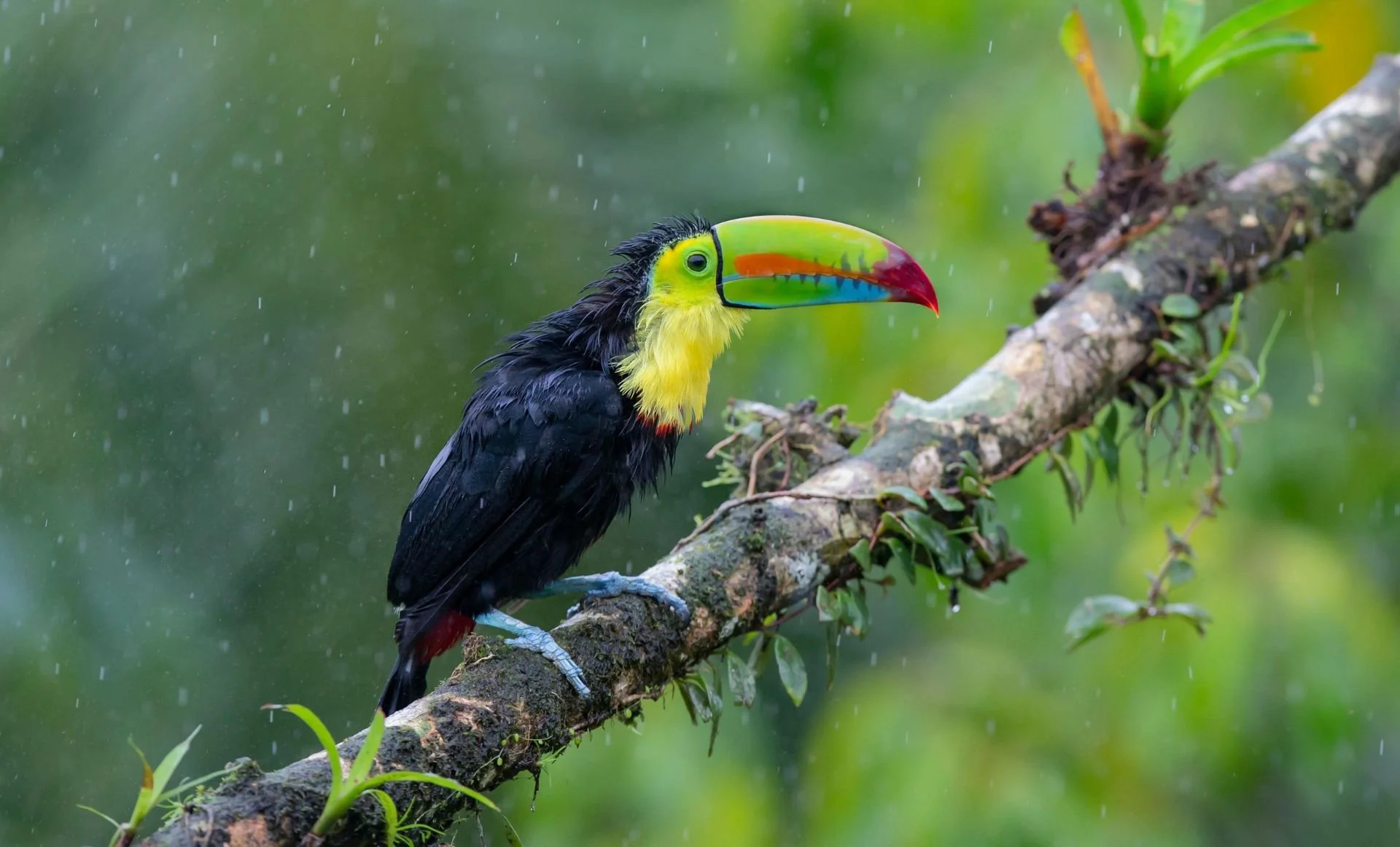
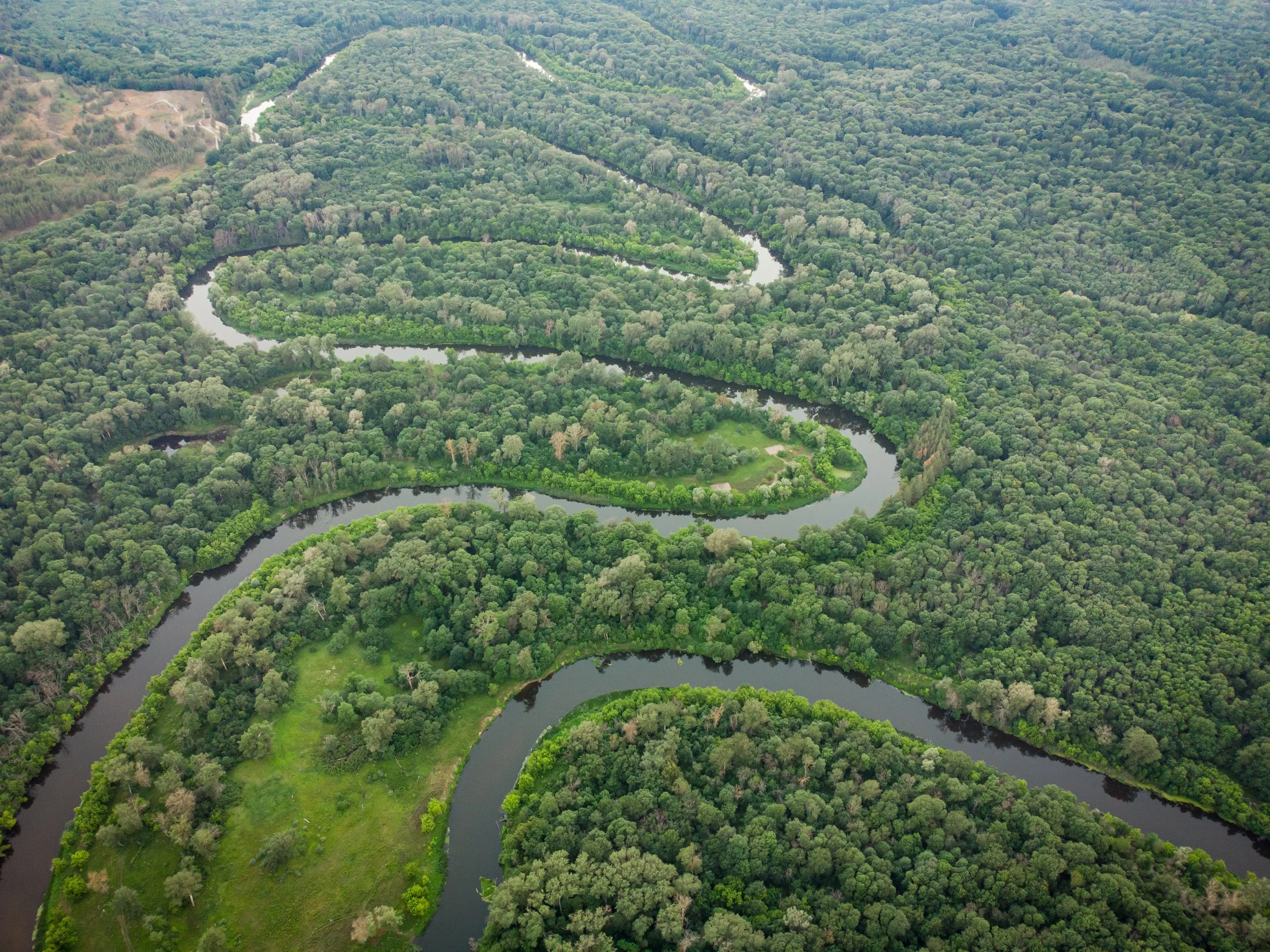
We’re proud to announce that WildMon has joined Amazon.ia: Inteligencia Ambiental, a new Pan-Amazonian initiative working to transform how biodiversity is monitored, understood and used to inform conservation decisions across the world’s largest tropical forest.
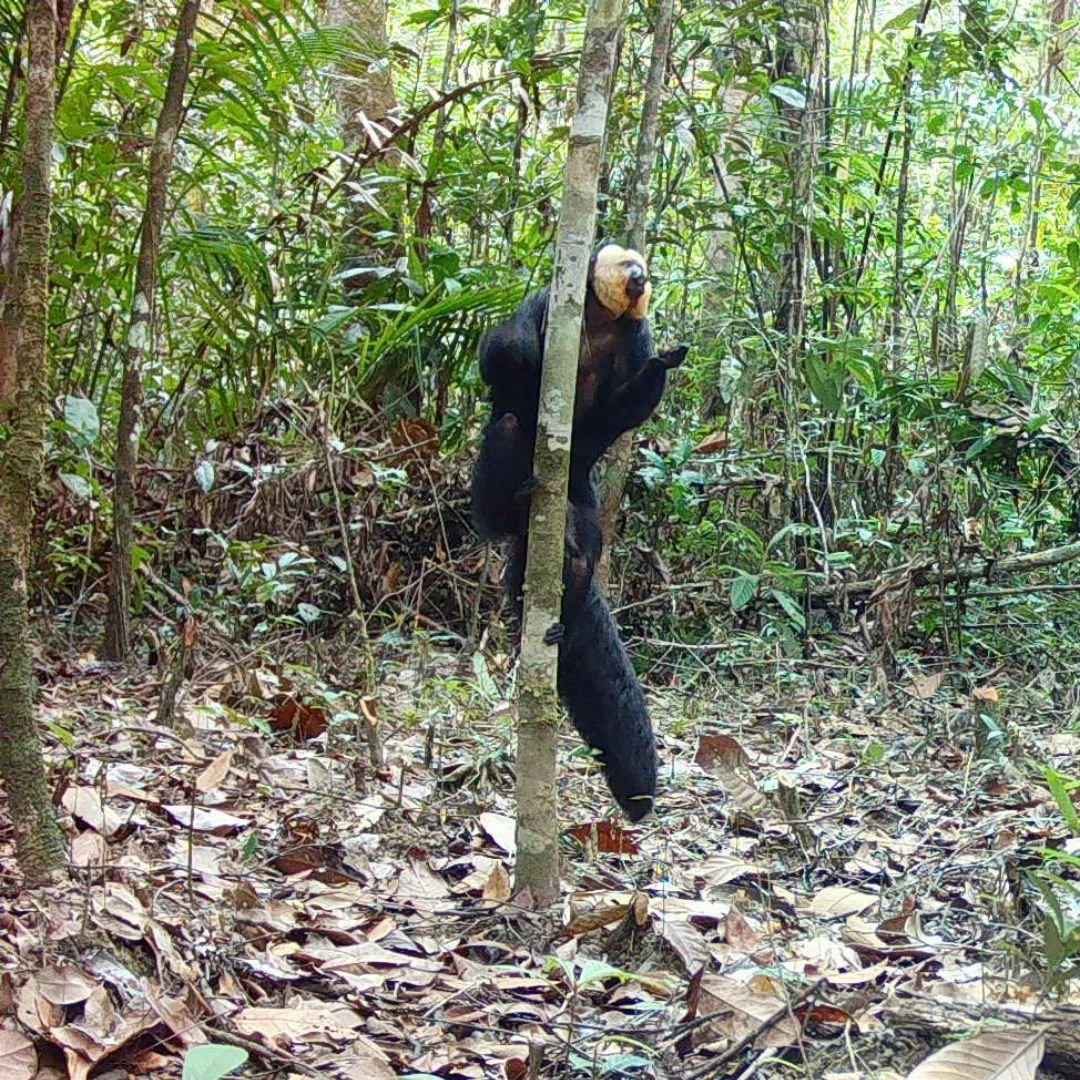
544 Species and Counting: What Our Latest Camera Trap Results Are Revealing in Guyana
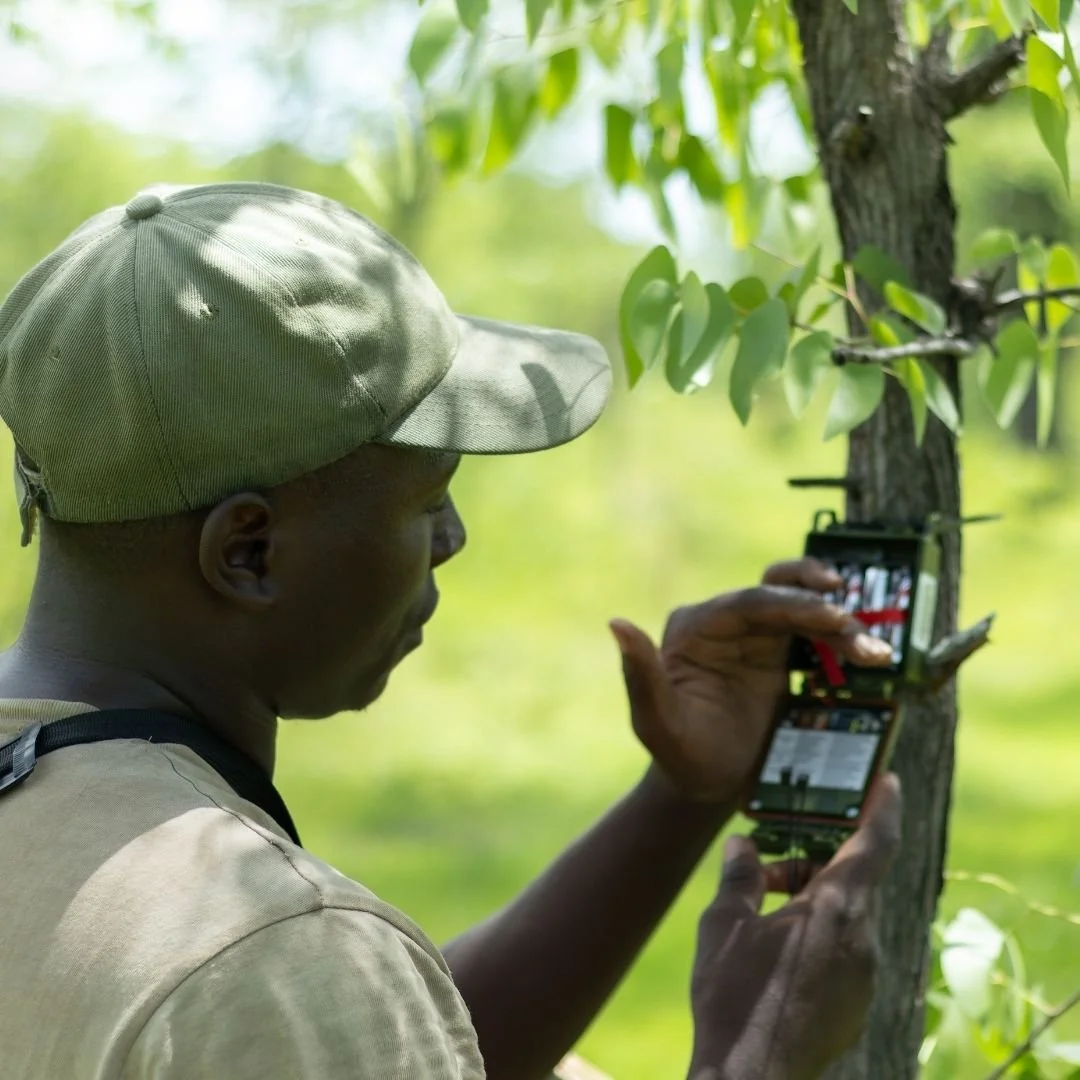
From jaguars moving through the forest floor to harpy eagles in the canopy, biodiversity monitoring across 7 Indigenous communities in Guyana is revealing the extraordinary wildlife found across this part of the Guiana Shield.
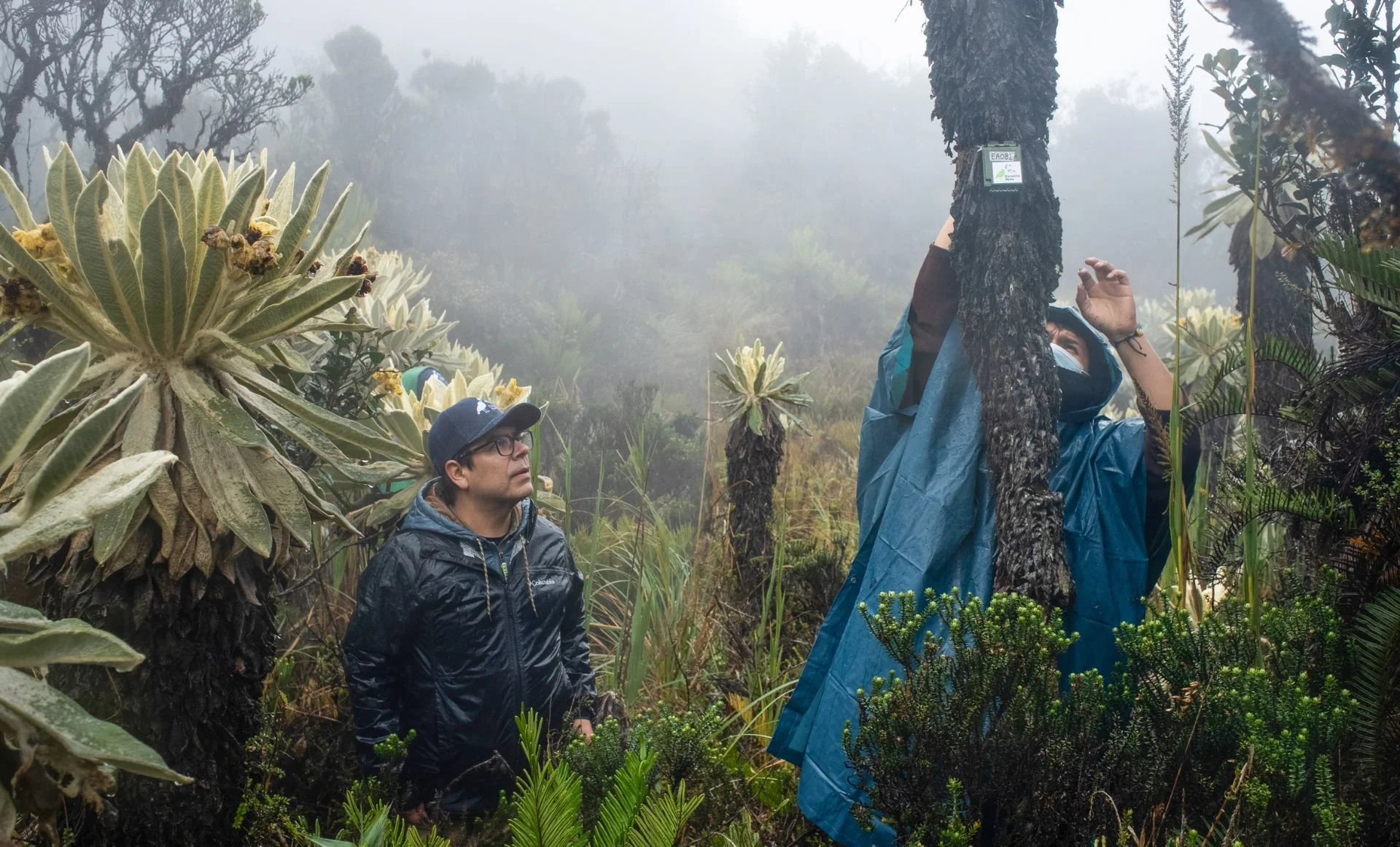
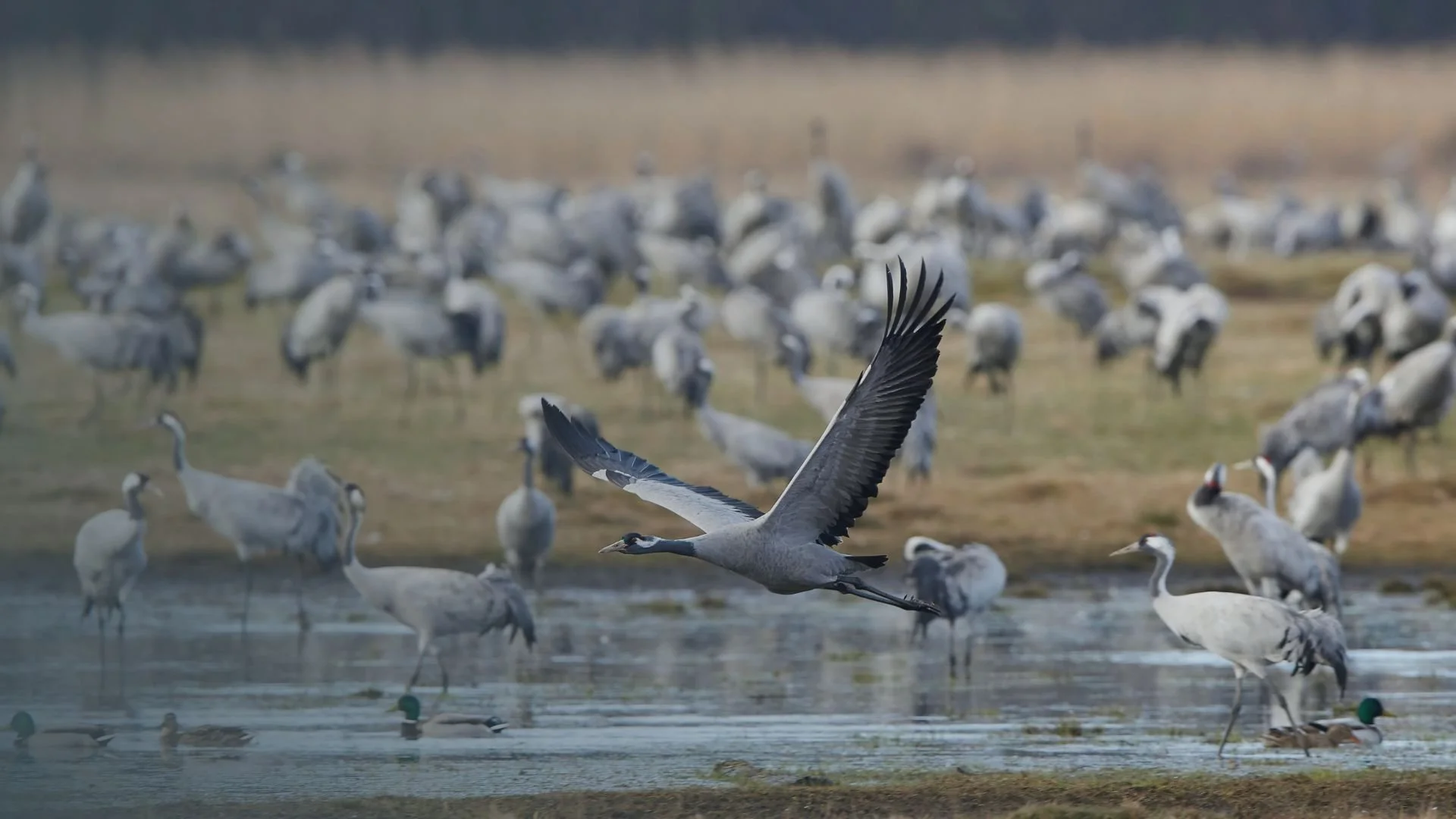
Chorus: Our AI ecoacoustic processing technology begins supporting locally-led bird conservation across Latin America
Bird calls hold critical information about ecosystems and effectiveness of conservation initiatives, yet turning ecoacoustic recordings into actionable conservation insights remains a major challenge. Our platform, Chorus, is being developed to help tackle this exact challenge.
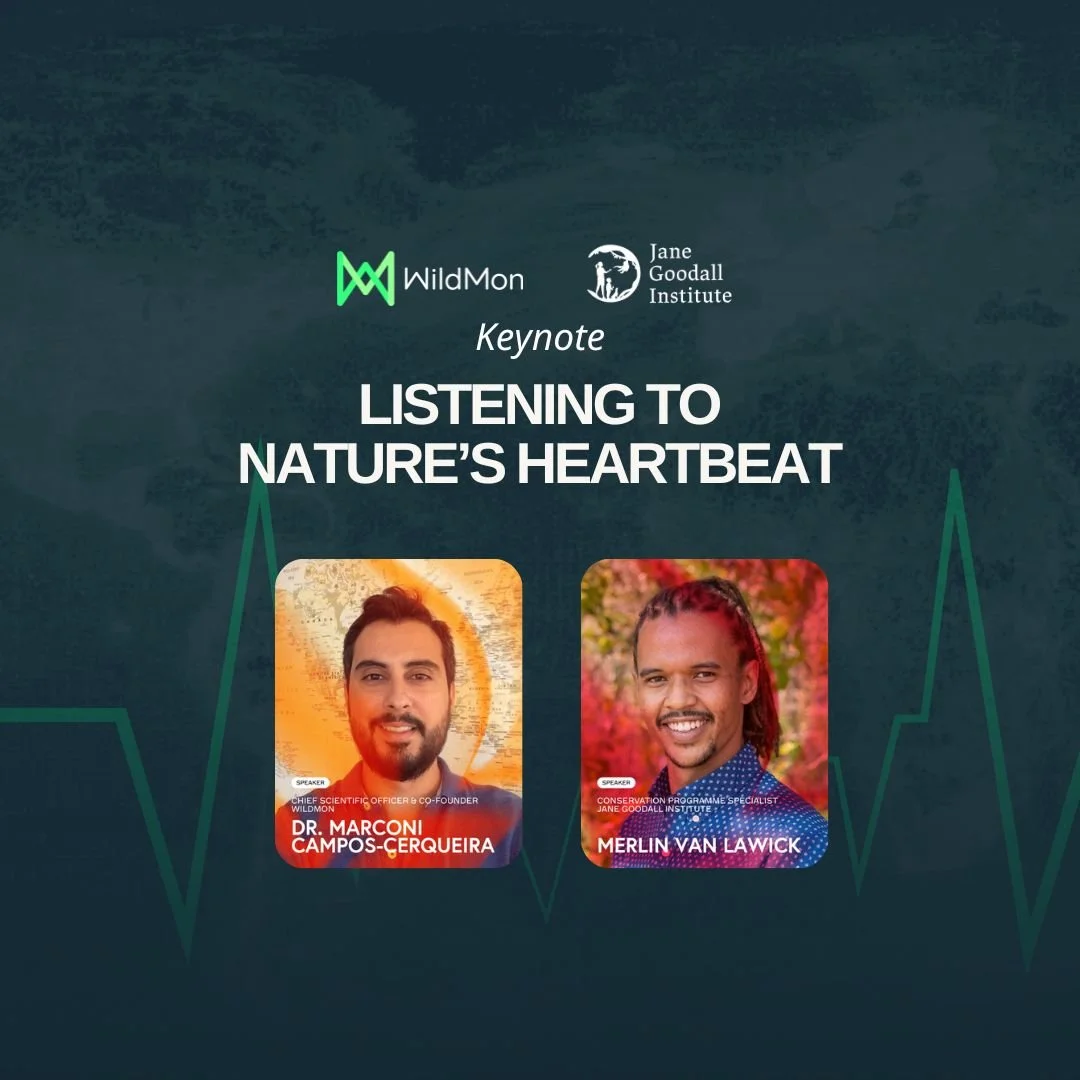
A Shared Vision for Nature: WildMon and the Jane Goodall Institute Take the Stage at Love Tomorrow
WildMon and the Jane Goodall Institute (JGI) take the stage together at Love Tomorrow in Belgium to deliver the keynote: Listening to Nature’s Heartbeat. Exploring the question that has never been more urgent: how can we better listen to nature and work with the people closest to it to protect its future?
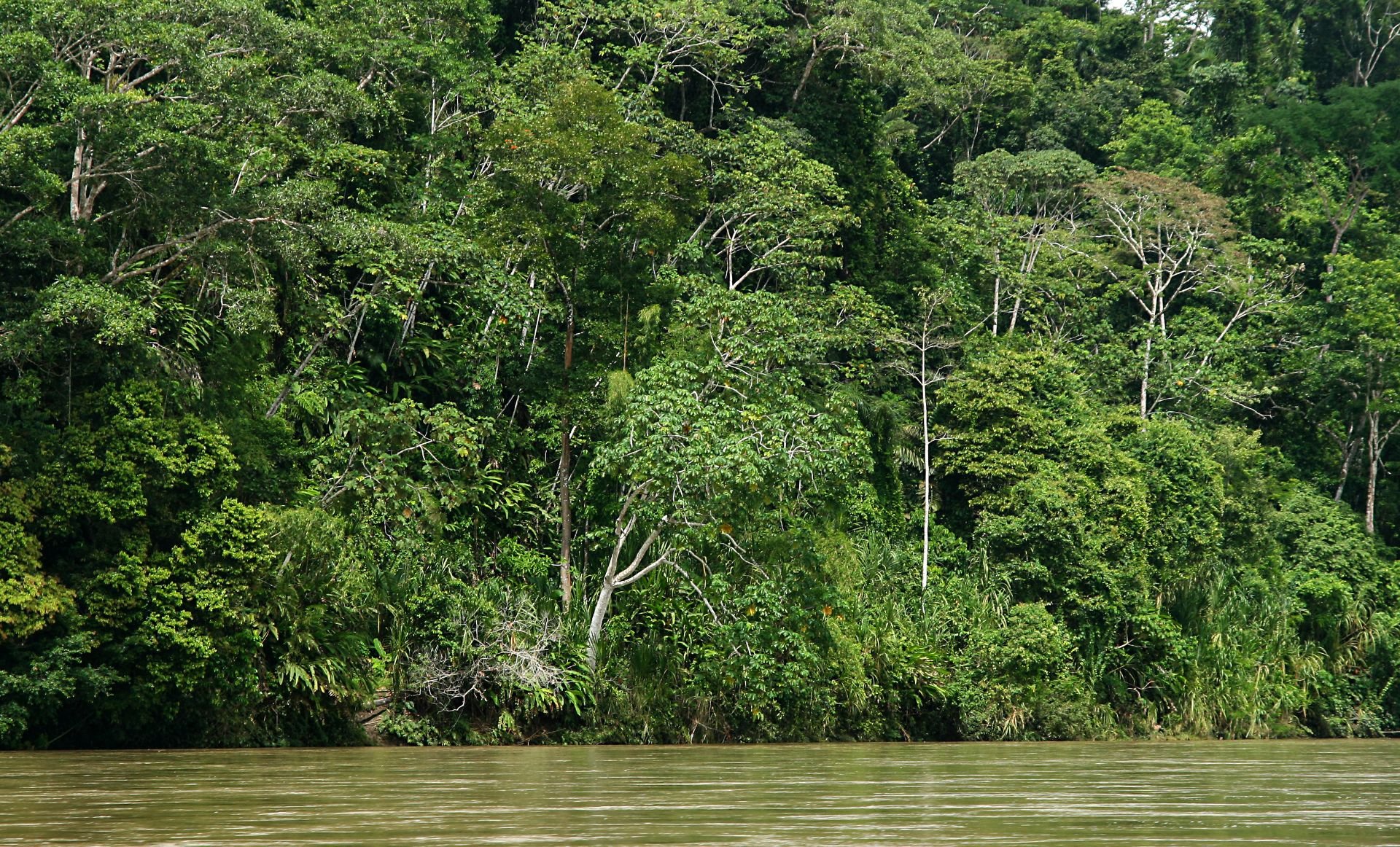
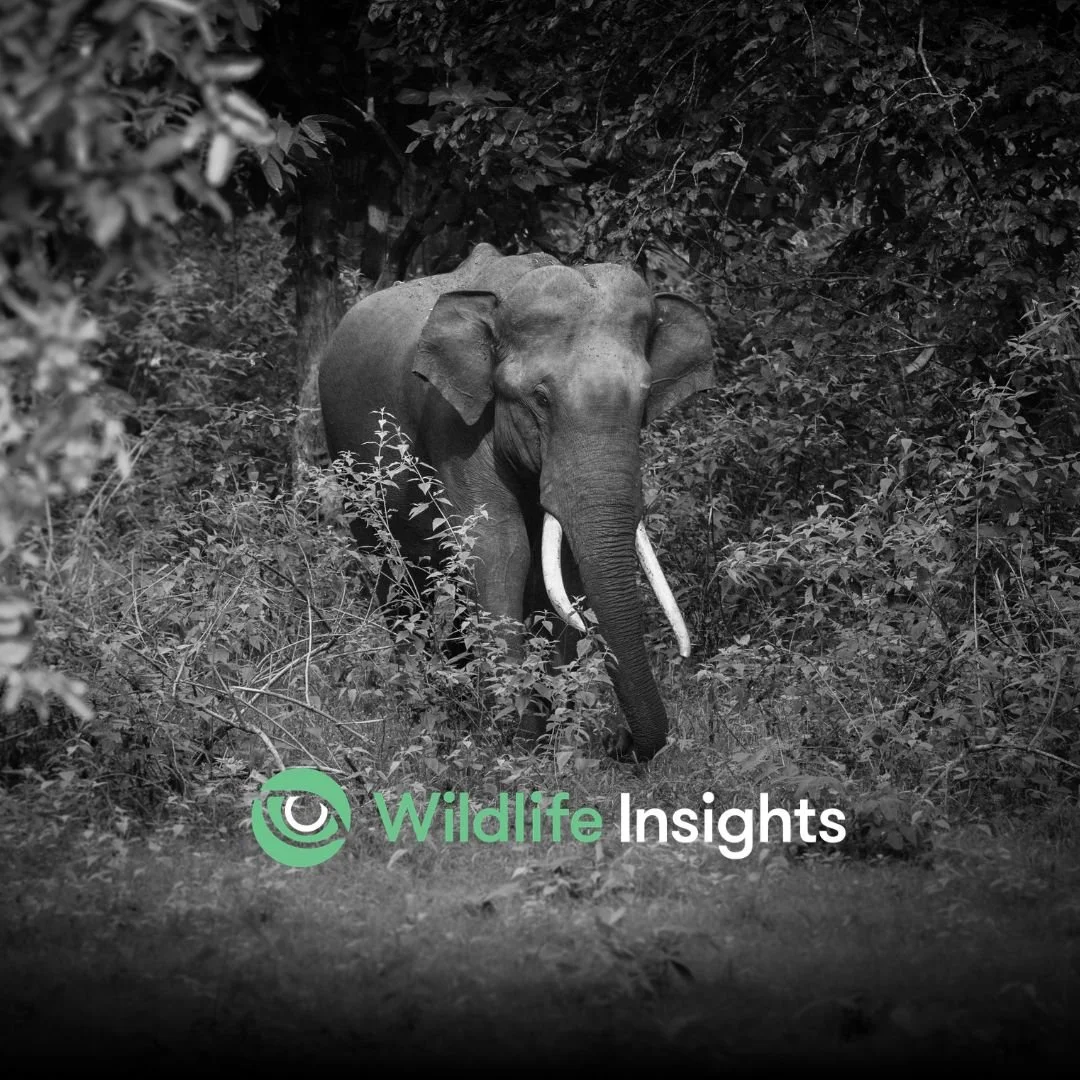
As Secretariat for Wildlife Insights, WildMon strengths its approach to integrated biodiversity monitoring
Since November 2025, WildMon has officially taken on the role of Secretariat for Wildlife Insights, the leading global platform for managing and analyzing camera trap data.
Our 2025 Highlights and the Year Ahead
2025 underscored the importance of reliable biodiversity monitoring as a foundation for conservation and decision-making. High-quality data helps reveal how ecosystems respond to restoration efforts, supports conservation strategies, and offers communities and partners alike the insights needed to protect the landscapes they depend on.