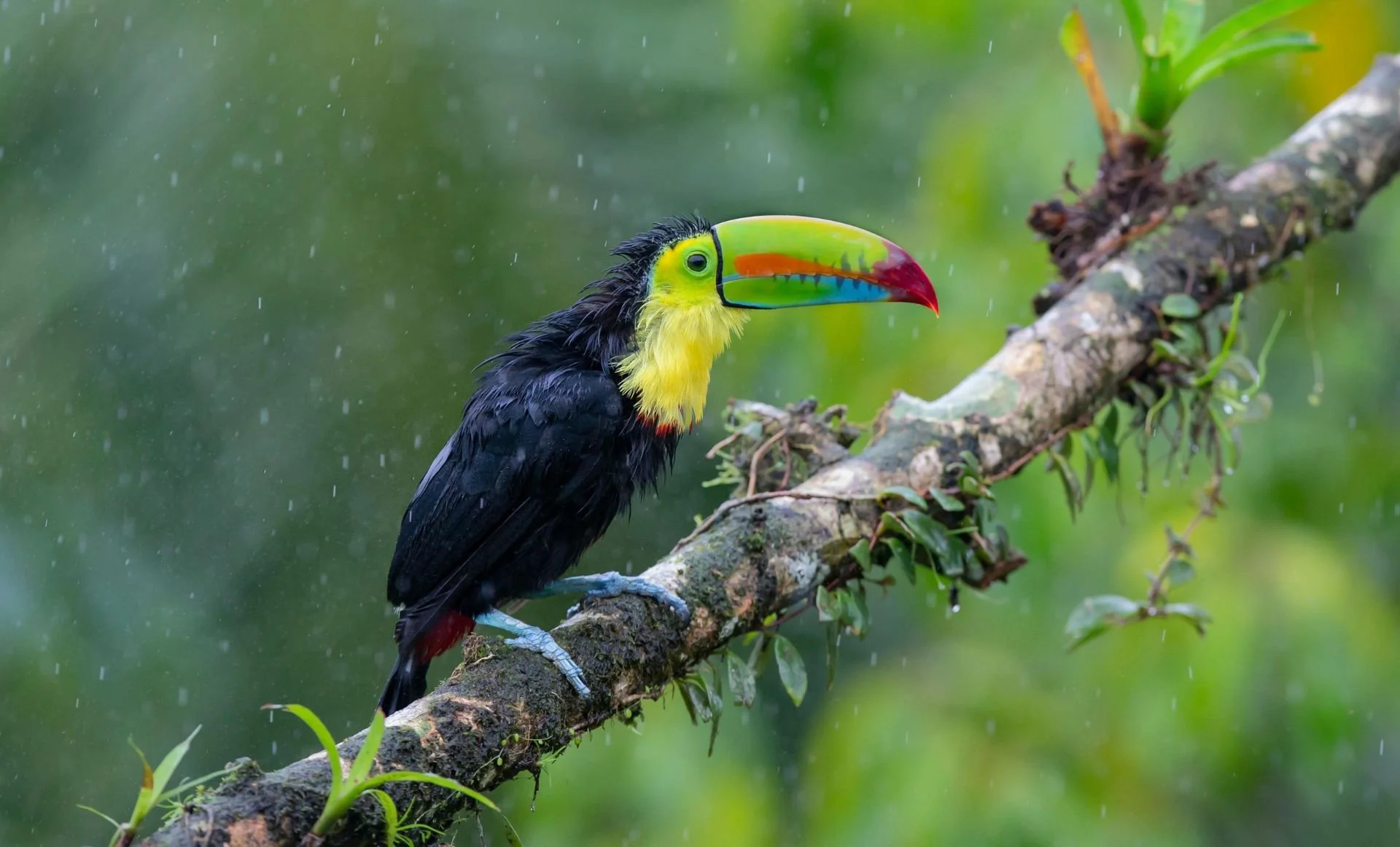
Chorus: Our AI ecoacoustic processing technology begins supporting locally-led bird conservation across Latin America
Bird calls hold critical information about ecosystems and effectiveness of conservation initiatives, yet turning ecoacoustic recordings into actionable conservation insights remains a major challenge. Our platform, Chorus, is being developed to help tackle this exact challenge, by supporting conservation practitioners across Latin America to transform millions of these ecoacoustic recordings into reliable biodiversity information.
The Bottleneck in Listening at Scale
Across Latin America, thousands of autonomous recording devices are capturing the sounds of forests every day. Hidden within these recordings is valuable information about species occurrence, biodiversity patterns, and ecological change. Yet transforming millions of recordings into reliable biodiversity data remains one of the greatest bottlenecks in modern conservation.
While advances in passive acoustic monitoring (PAM) have made it easier than ever to collect biodiversity data, processing and validating that information still requires significant time, expertise, and computational resources. As monitoring programs continue to grow, so does the need for scalable tools that can transform raw audio into actionable ecological insights.
Building Chorus with Conservation Partners
To help address this challenge, WildMon has partnered with The National Audubon Society and Audubon Latin America and the Caribbean, with support from the Bezos Earth Fund and in collaboration with the Kitzes Lab at the University of Pittsburgh, to co-create a bespoke AI-powered ecoacoustic processing platform for the Escucha Aves project.
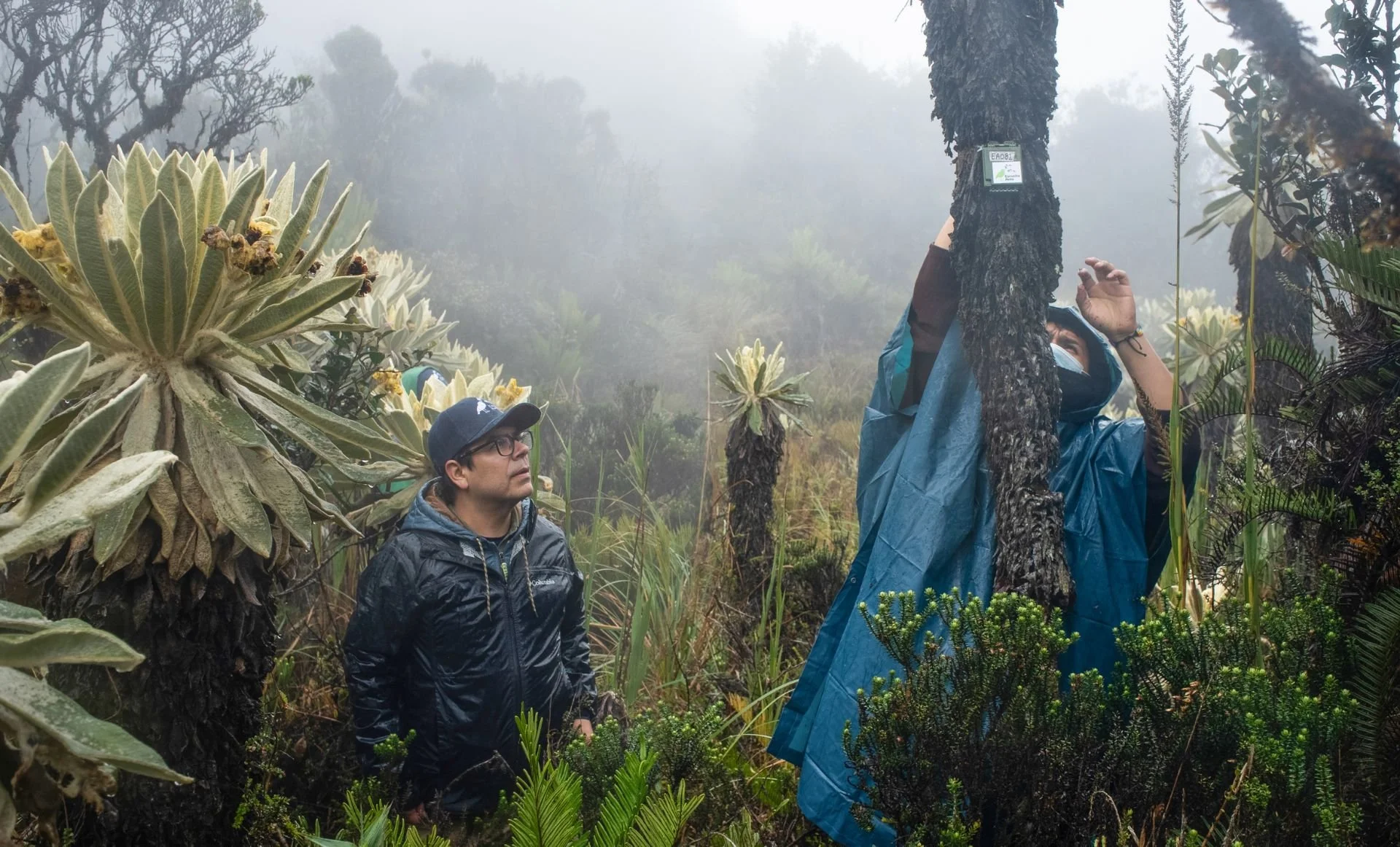
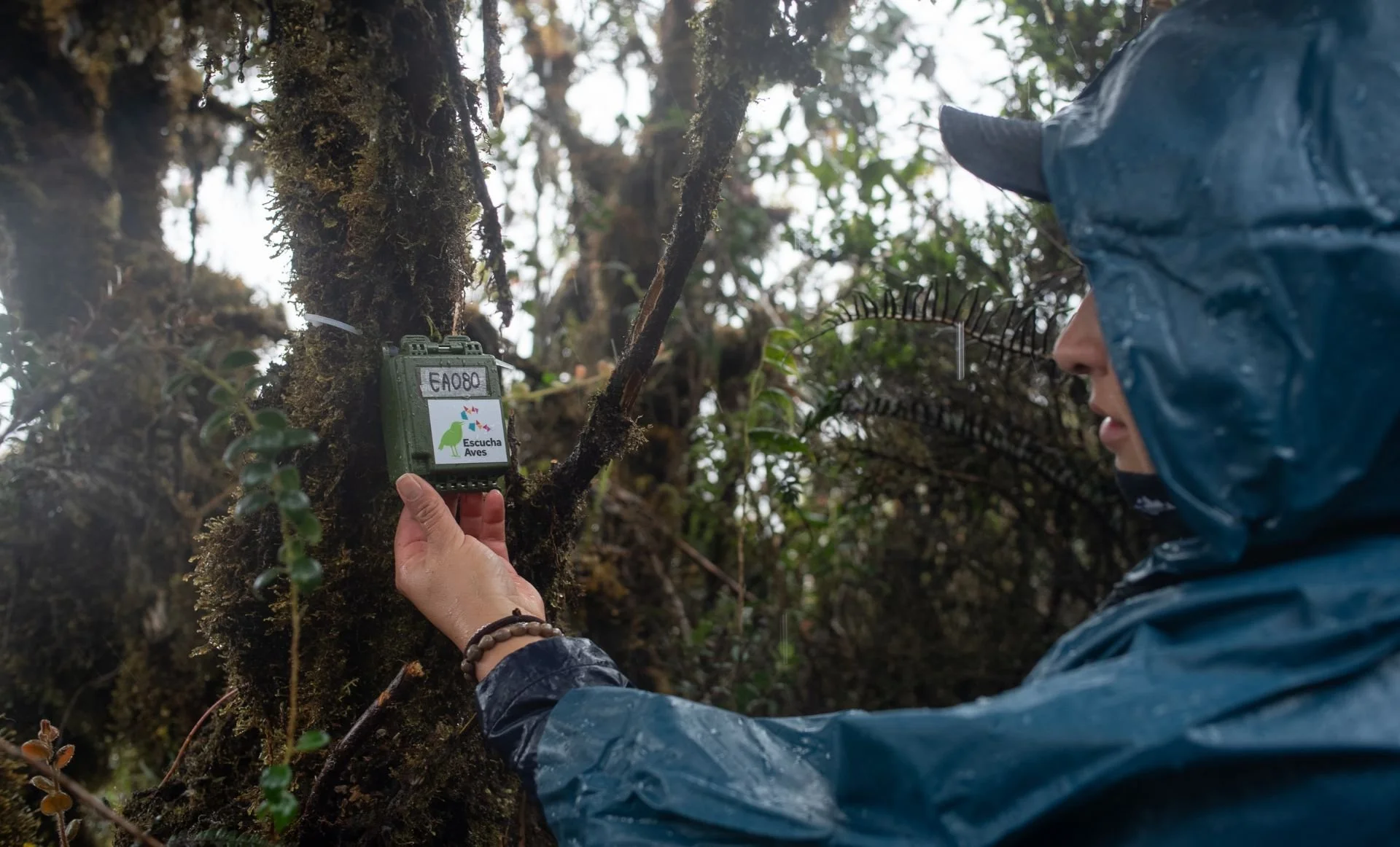
Escucha Aves is a project in which local communities and organizations use autonomous audio recorders and artificial intelligence (AI) to monitor birds and generate evidence for improved management of conservation areas supported by the Conserva Aves initiative in the Tropical Andes.
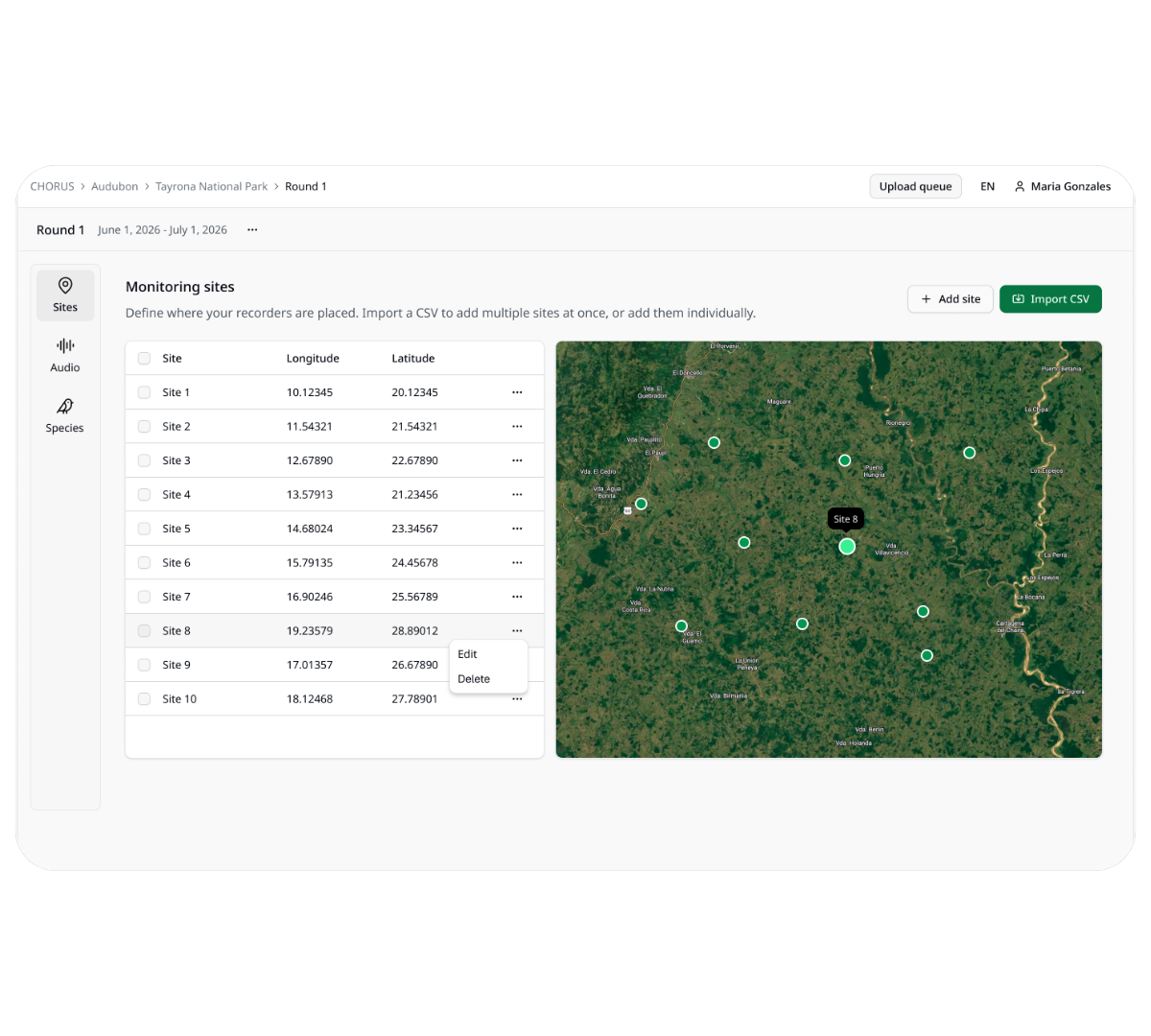
Rather than developing software in isolation, the platform is being designed alongside conservation practitioners working across the Conserva Aves network, ensuring the technology reflects real monitoring workflows and the needs of organizations protecting birds throughout Latin America.
Developing the Technology
With field deployments finalized and ecoacoustic data collected in Colombia, the next phase of the project is well underway: transforming thousands of hours of nature soundscapes into biodiversity intelligence.
As the technology partner for the project, WildMon is developing Chorus, an AI-powered ecoacoustic processing platform designed specifically to support this initiative. Built on WildMon's proven acoustic AI workflow, Chorus combines cloud infrastructure, state-of-the-art machine learning models, and intuitive validation tools into a single end-to-end system that makes it easy for conservation practitioners to upload, process, review, and manage acoustic biodiversity data.
Why "Chorus"?
A dawn chorus is one of nature's most remarkable phenomena. As birds sing together at first light, they reveal the health, diversity, and rhythms of an ecosystem. Inspired by this daily symphony, Chorus helps transform thousands of bird calls and forest soundscapes into the biodiversity intelligence conservationists need to better understand and protect nature.
The first datasets from the deployment in Colombia are being moved through this workflow. Each recording will be automatically segmented and processed using bioacoustic foundation models such as BirdNET, Perch, and BirdSET, generating reusable audio embeddings that form the basis for species detection and future analyses.
Rather than locking recordings into a single analytical pipeline, Chorus is built as a modular AI platform that can evolve alongside advances in artificial intelligence. New foundation models and analytical workflows can be incorporated into the same platform architecture, allowing monitoring programs to continually benefit from new capabilities.
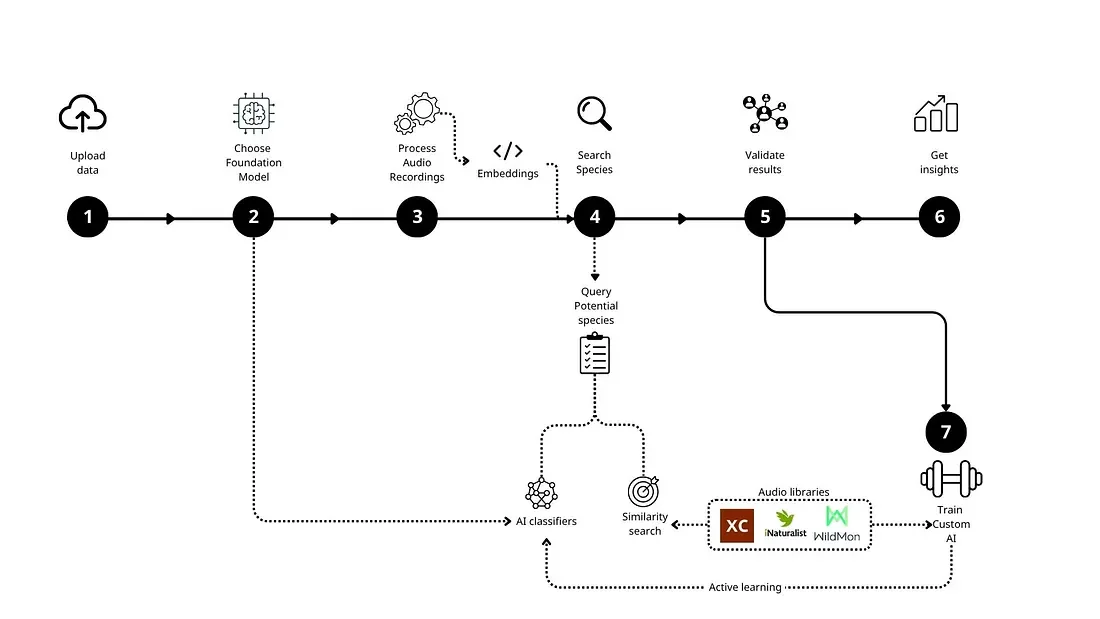
Importantly, Chorus is not limited to the species currently supported by AI classifiers. By leveraging reusable audio embeddings and complementary search methods, the platform can support the discovery and analysis of species beyond the scope of today's models, making biodiversity monitoring more flexible.
The platform also combines recording locations with open biodiversity datasets such as GBIF and eBird to generate location-specific species lists, helping prioritize the species most likely to occur at each monitoring site. Its intuitive validation workflow uses smart filters and prioritization tools to help users focus their effort on the detections that matter most for their monitoring objectives. Conservation practitioners can inspect spectrograms, listen to recordings, compare reference calls, and confirm species identifications before results are exported for ecological analysis.
"Every design decision behind Chorus has been guided by a simple question: how do we help conservation practitioners use advanced AI without having to make complex technical decisions?" says Dr. Nelson Buainain, Head of Product & Innovation at WildMon. "We're building a modular platform that removes technical barriers while allowing new AI models and analytical capabilities to be incorporated over time. Our goal is to ensure that as the technology evolves, conservation practitioners can benefit from those advances without needing to become AI experts."
As we capture more ecoacoustic data across Latin America, the platform will continue evolving through feedback from the National Audubon Society and its conservation partners, ensuring every new feature reflects real monitoring workflows and conservation needs in the field.
You can learn more about our ecoacoustic workflow here.
From AI to Conservation Decisions
The value of Chorus lies not simply in processing audio faster, but in helping conservation practitioners make better-informed decisions.
By reducing the time and technical barriers required to analyze large acoustic datasets, every validated dataset becomes a long-term biodiversity asset that can support ecological monitoring, reduce time spent sorting through recordings, and free up more time understanding changes in biodiversity, evaluating conservation interventions, and identifying priorities for action.
Perhaps most importantly, the platform is designed to increase local capacity. Rather than centralizing expertise, Chorus aims to give conservation organizations across Latin America the tools to independently manage their own biodiversity data, ensuring that the knowledge generated through monitoring remains closest to the people working every day to protect these ecosystems.
Looking Ahead
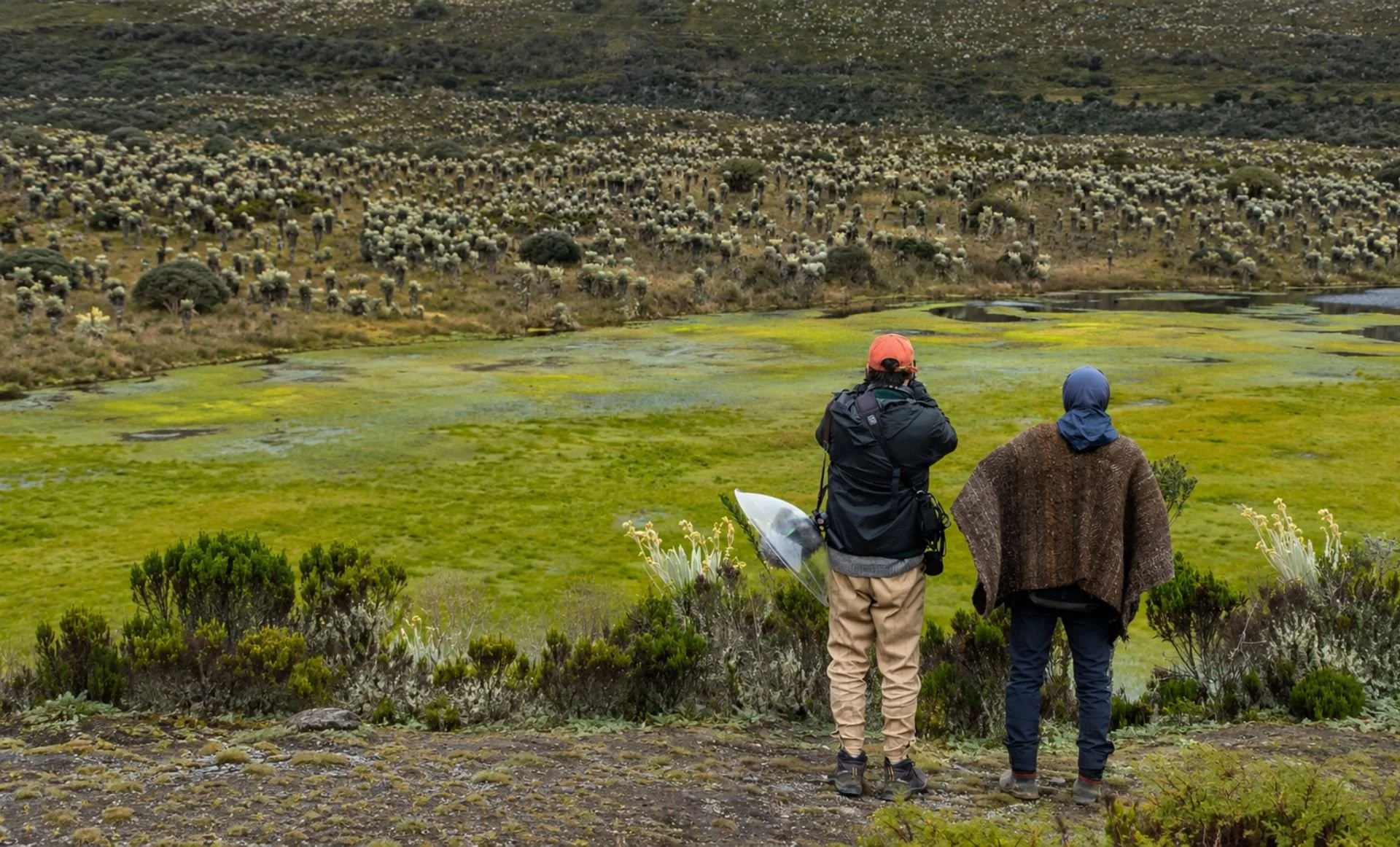
Photo by Tomaz Melo (WildMon Team)
The next phase of the project is focusing on reliably processing the large-scale datasets, while continuing to refine the platform alongside the National Audubon Society and the Conserva Aves network.
As new recordings are analyzed and conservation practitioners begin using the platform in their day-to-day work, their feedback will directly shape future development.
Although the project is being piloted with bird conservation, the technologies and workflows being developed have much broader potential. The same scalable AI infrastructure can be adapted to support monitoring across different ecosystems, taxonomic groups, and conservation objectives, helping organizations transform growing volumes of biodiversity data into timely conservation intelligence.
By combining artificial intelligence with local expertise, Chorus represents more than a new software platform. It reflects a collaborative approach to building conservation technology—one that is shaped by the people who use it and designed to support better decisions for nature across Latin America, and beyond.