
544 Species and Counting: What Our Latest Camera Trap Results Are Revealing in Guyana
From jaguars moving through the forest floor to harpy eagles in the canopy, biodiversity monitoring across 7 Indigenous communities in Guyana is revealing the extraordinary wildlife found across this part of the Guiana Shield.
Together with Landscape Alliance (formerly CIFOR-ICRAF) and Map of Life, WildMon is supporting a passive biodiversity monitoring initiative across 7 indigenous communities in Guyana: Apoteri, Aishalton, Katoka, Maruranau, Rewa, Sawariwau and Yupukari. Combining camera traps, passive acoustic monitoring and eDNA, the initiative is helping build a more comprehensive picture of wildlife presence and distribution across the region.
This work forms part of the broader Sustainable Wildlife Management (SWM) Programme in Guyana, which works with Indigenous communities across the Rupununi to strengthen community-led wildlife management while supporting the sustainable use of natural resources, food security and traditional livelihoods.
Biodiversity monitoring is one piece of that bigger picture: building the evidence needed to understand how wildlife populations and ecosystems are changing over time and support informed management of the landscapes communities depend on.
The latest results from the second round of camera trap monitoring have now been validated — and they include some remarkable findings.
103 Species Recorded in the Second Round
During the second camera trap sampling round alone, 103 species were identified across the seven communities: 60 birds, 39 mammals and 4 reptiles.
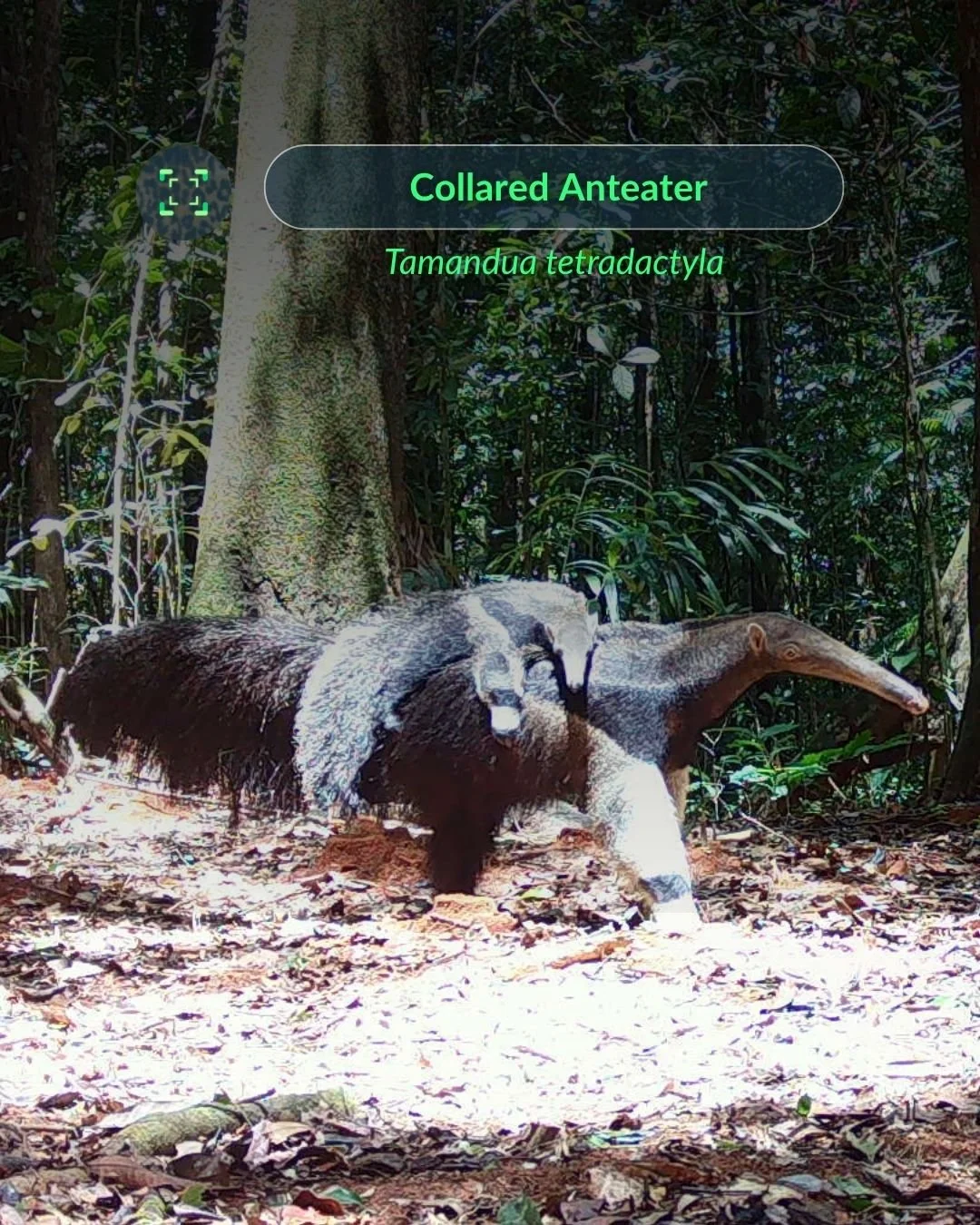
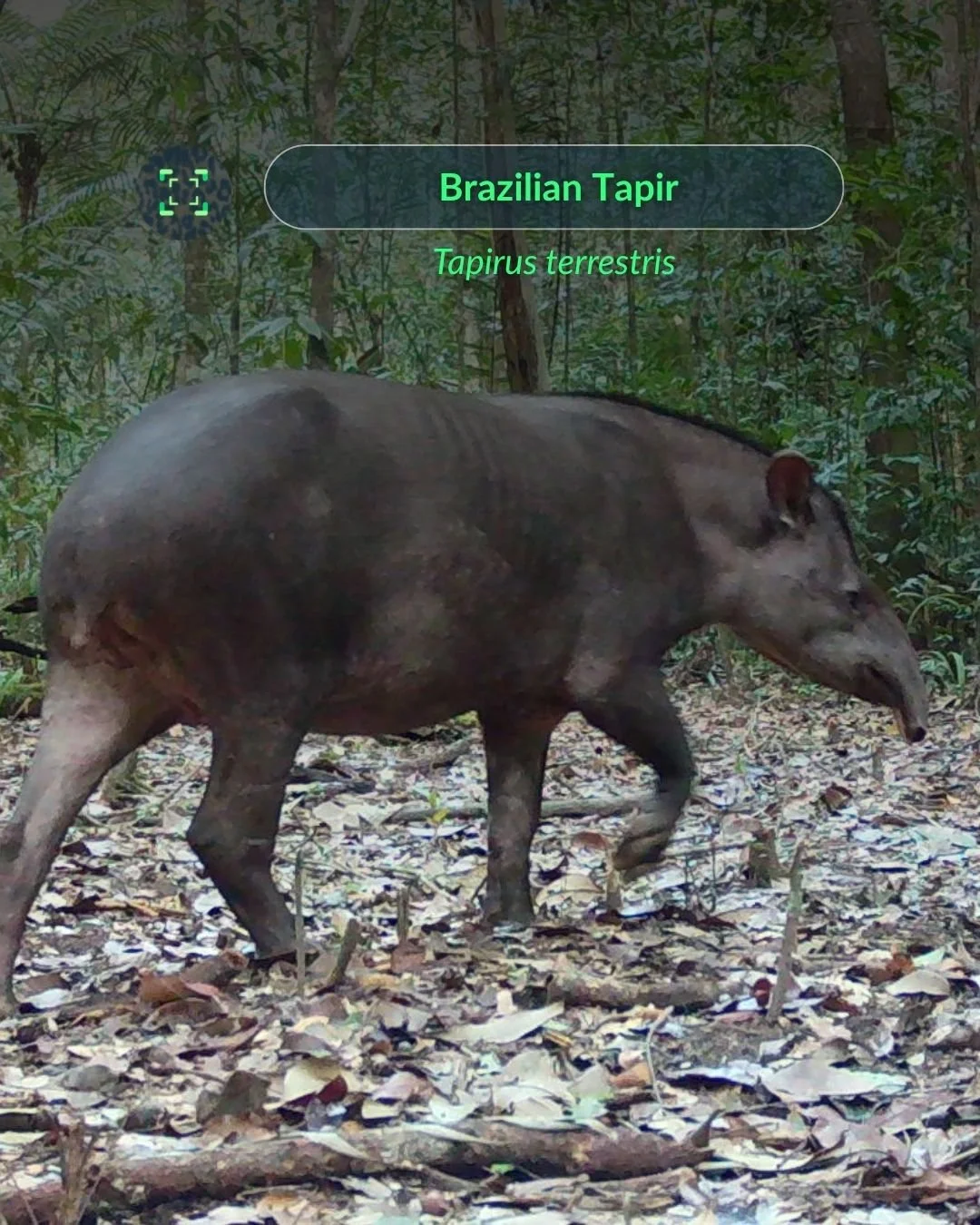
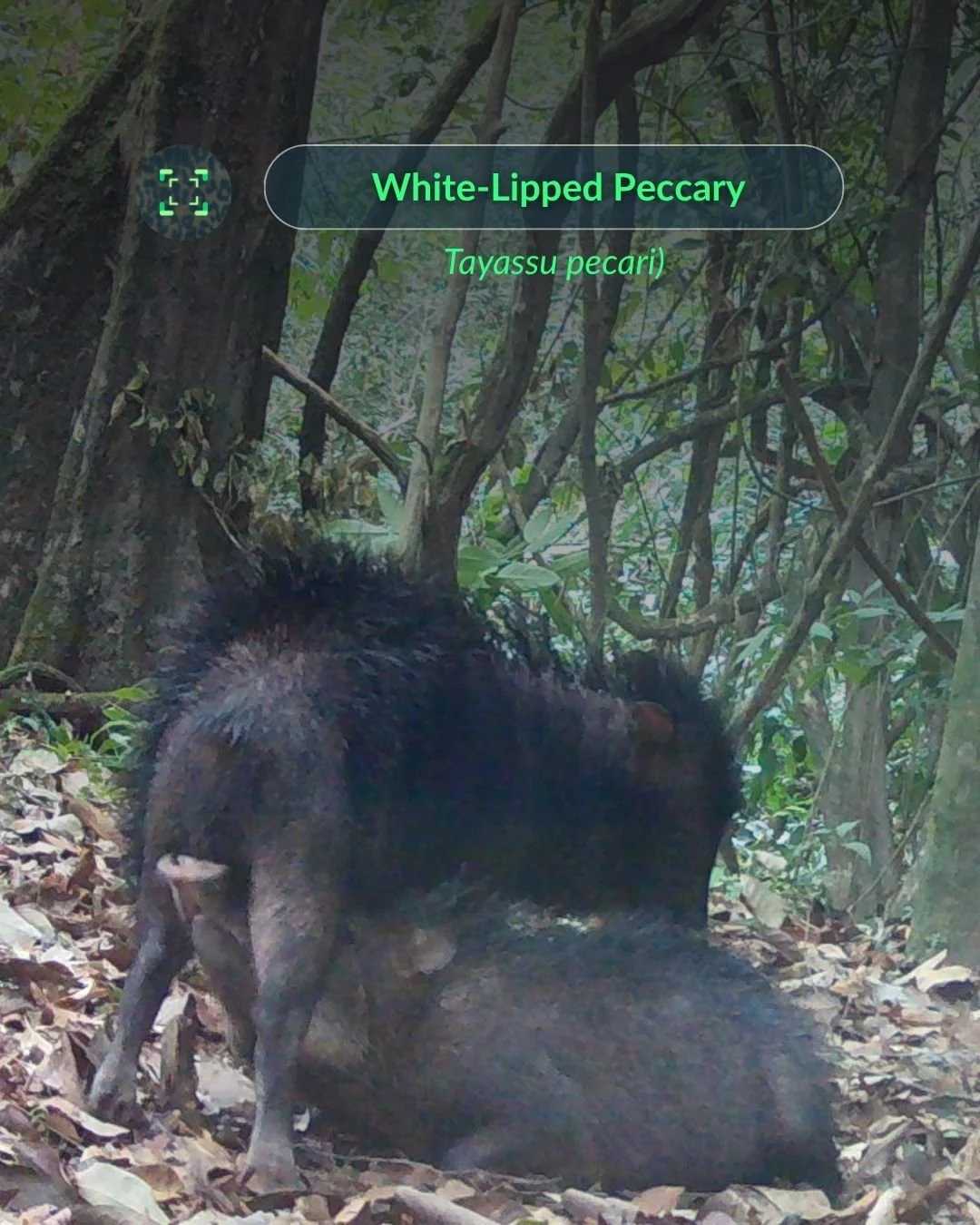
Among them were five species currently classified as Vulnerable: the harpy eagle, anteater, giant armadillo, Brazilian tapir and white-lipped peccary. Another 4 recorded species: the eastern meadowlark, jaguar, neotropical otter and margay are classified as Near Threatened.
The presence of these species provides further evidence of the conservation importance of the landscapes being monitored and the value of building a clearer understanding of where wildlife occurs.
The second round also expanded what had previously been recorded. 34 species were detected by the camera traps for the first time during this sampling round, including 24 birds, seven mammals and three reptiles.
From Harpy Eagles to White-Faced Sakis
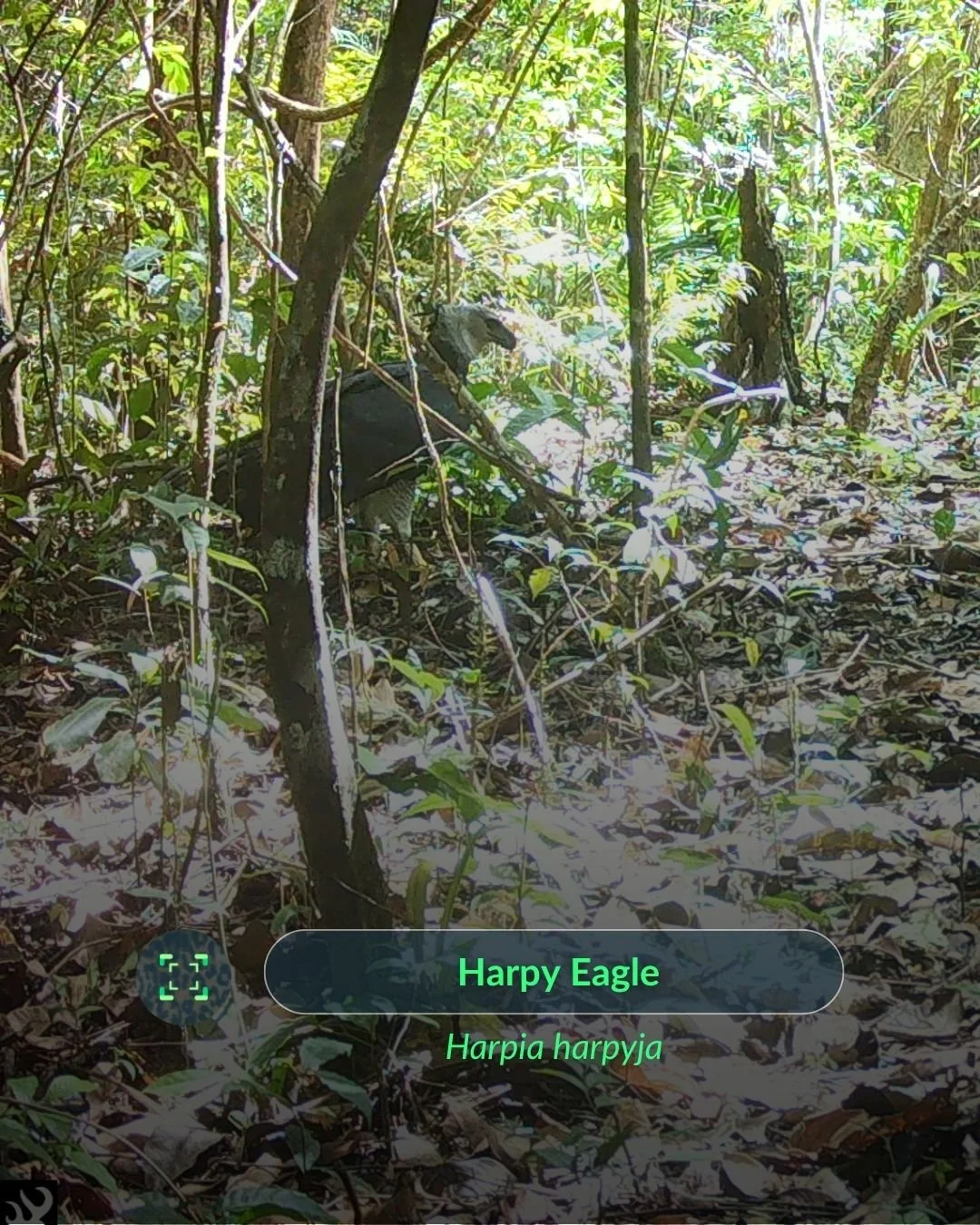
Among the most remarkable new camera trap detections was the harpy eagle — the largest bird of prey in the Americas. Its populations are declining and becoming increasingly fragmented across parts of its range as a result of habitat loss and other human pressures, making its detection particularly significant.
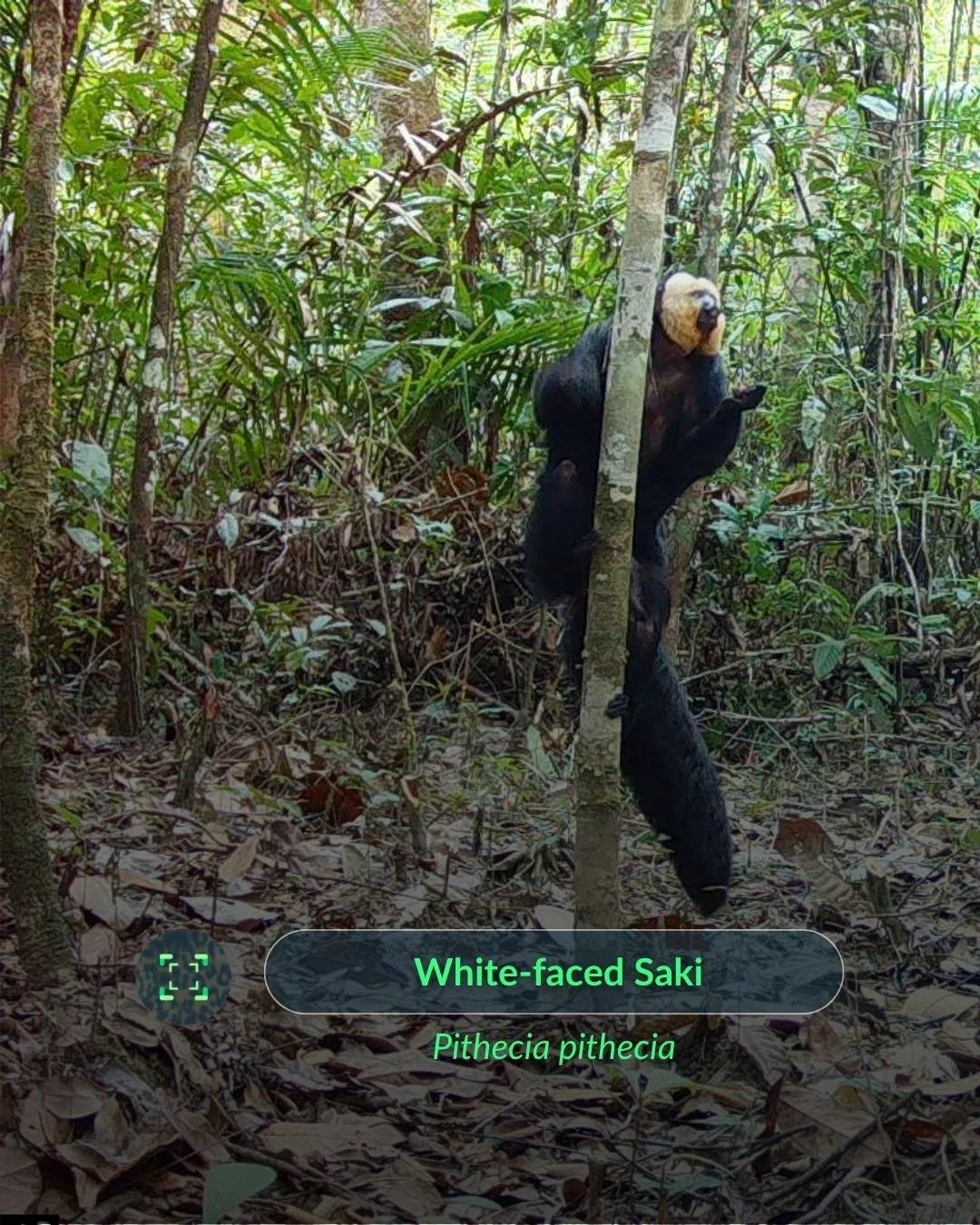
The cameras also recorded the white-faced saki, one of several species detected in the project that are associated with the Guiana Shield. Spending much of its time in the upper canopy, the white-faced saki joins species such as the red-handed tamarin, marail guan, black nunbird and little chachalaca among the regionally distinctive wildlife documented through the monitoring.
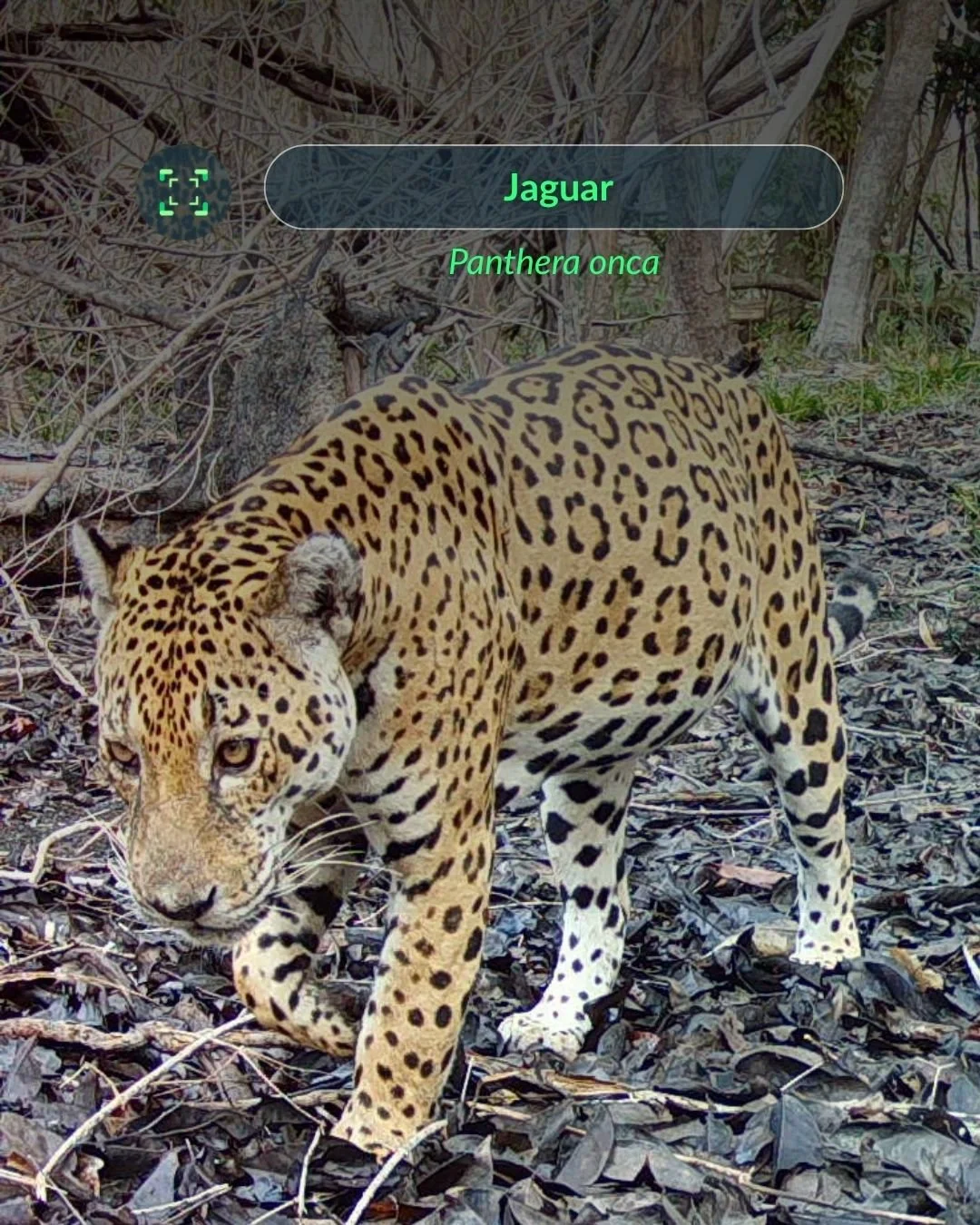
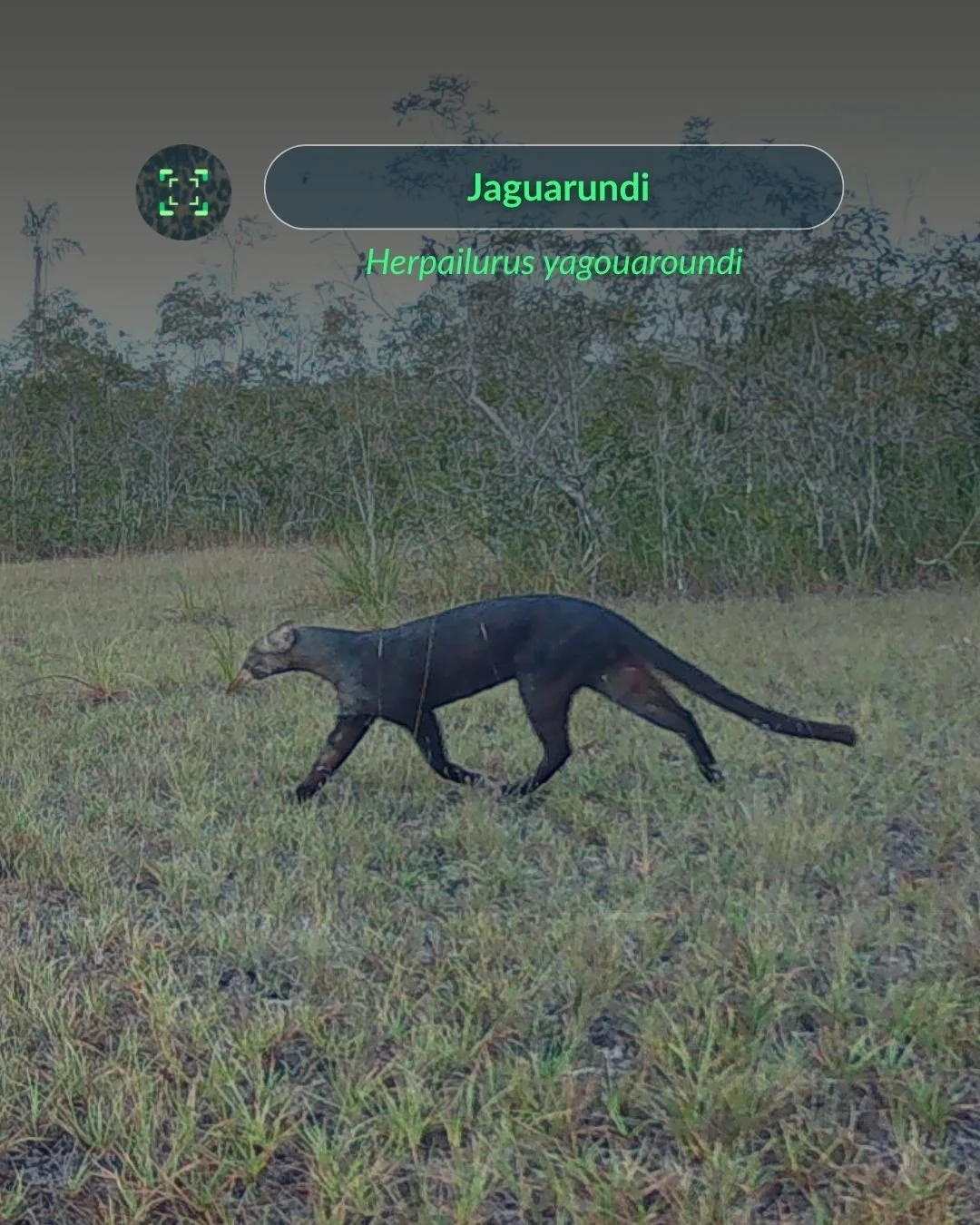
Moving through the forest floor was another iconic species: the jaguar, the largest terrestrial predator in the Amazon and one of four Near Threatened species detected during this sampling round.
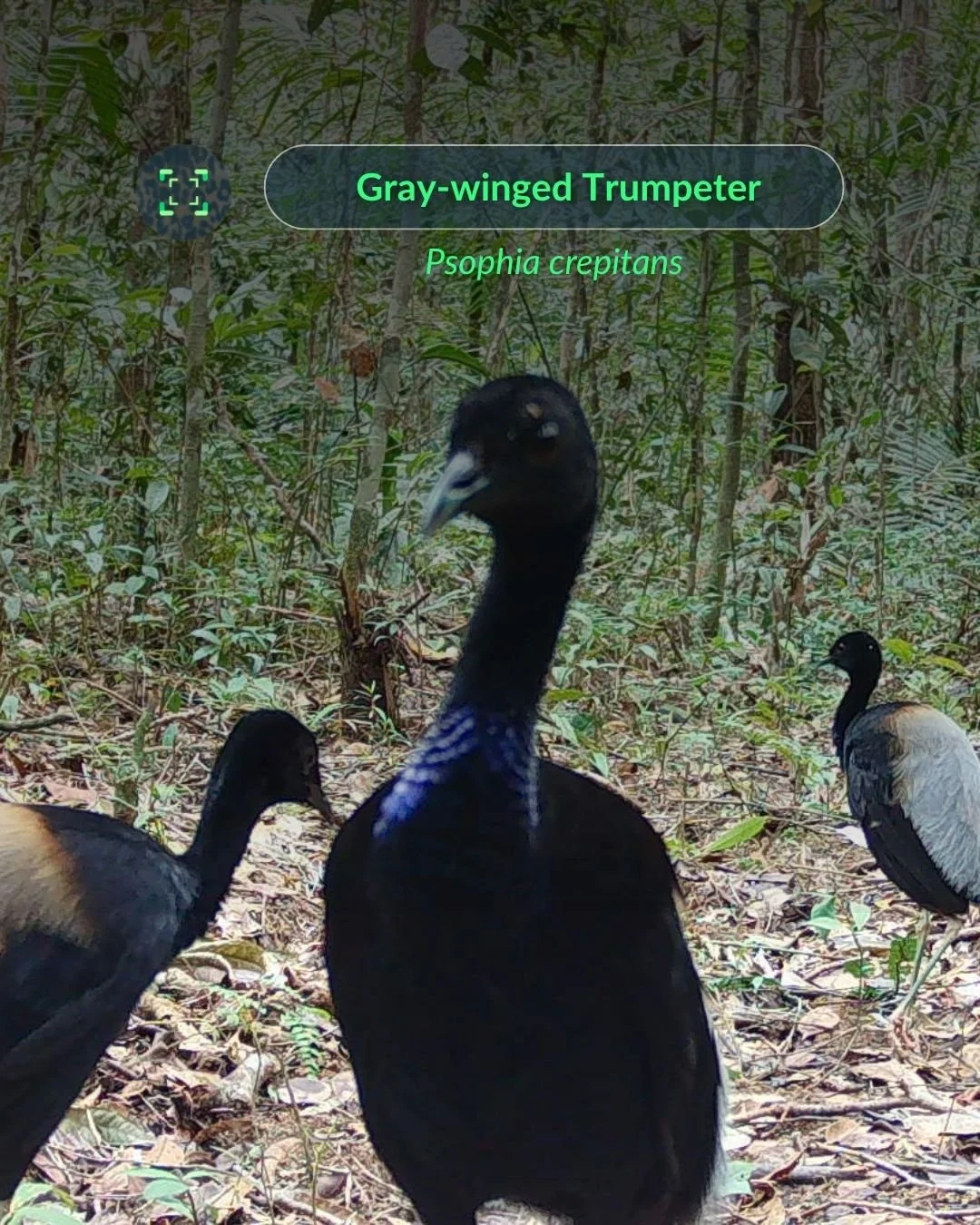
Together, these detections begin to reveal not simply how many species occur across the landscape, but the great diversity of wildlife the seven participating communities share their territories with.
Turning Thousands of Images Into Biodiversity Information
Collecting camera trap images is only the beginning. Turning thousands of photographs into reliable biodiversity information requires identifying, validating and organizing every wildlife detection.
For this project, Wildlife Insights is being used to process and manage the camera trap data. Machine-learning models provide initial species identifications, while WildMon's expert reviewers validate detections site by site and identify animals to the highest possible taxonomic level.
Importantly, separate Wildlife Insights projects were established, one for each participating community, to protect privacy and intellectual property while enabling project teams to access and review their data.
Once validated, the results can be explored through the project dashboards and exported for further analysis, helping transform individual wildlife encounters into information that can support a broader understanding of biodiversity across the region.
A Record-Breaking Picture of Biodiversity
When the two camera trap campaigns are combined, 122 species have now been documented by camera traps alone, the highest number recorded among camera trap projects WildMon has worked on to date.
But camera traps capture only part of the picture.
When these records are combined with species detected through passive acoustic monitoring, the initiative has now documented an extraordinary 544 species across the project landscape.
From animals moving silently along the forest floor to birds calling high above the canopy, combining different monitoring approaches allows us to detect parts of biodiversity that no single method can capture alone.
The result is an increasingly comprehensive picture of the wildlife present across these seven Indigenous communities, and a foundation for understanding how that biodiversity changes over time.
From Biodiversity Data to Long-Term Conservation
These latest findings are more than an impressive species count. They demonstrate what becomes possible when biodiversity monitoring is carried out across multiple communities, technologies and ecosystems.
The detection of threatened and Near Threatened species, alongside species associated with the Guiana Shield, reinforces the conservation importance of the region. Continued monitoring can help build the long-term datasets needed to understand species presence and distribution and identify changes as they emerge.
With 544 species already recorded, we are only beginning to understand the full biodiversity represented across these landscapes.
And with every new sampling round, that picture becomes clearer.