Who We Are
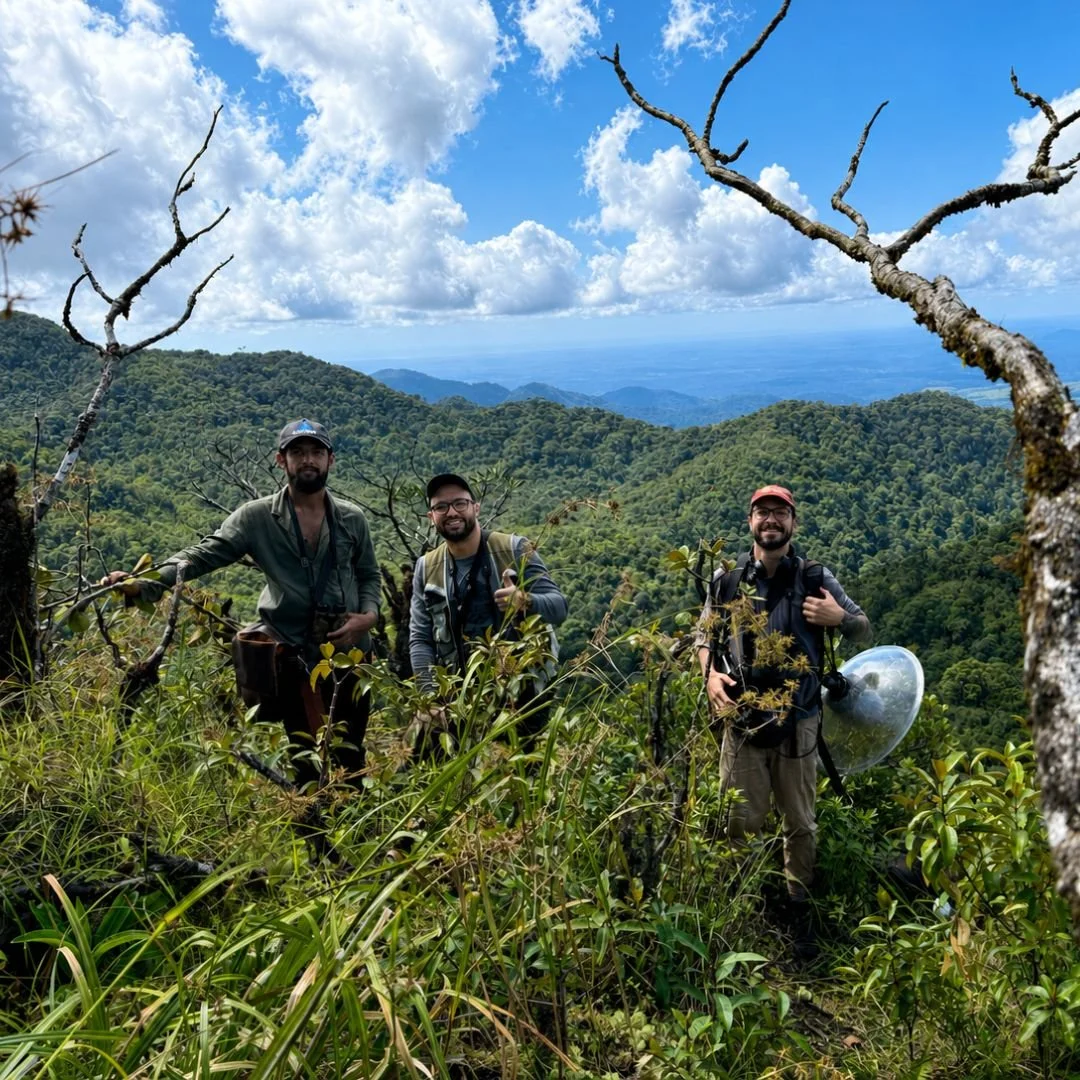

We’re a nonprofit organization led by global experts in ecology and conservation technology.
By combining multi-source biodiversity data and AI-powered analytics, we transform ecological information into practical conservation insights. Our tools reduce technical barriers to biodiversity monitoring and help frontline communities, practitioners, and organizations make informed decisions for nature.

Our mission is to make biodiversity monitoring accessible in order to accelerate ecosystem conservation.
We believe biodiversity data should be available and usable by anyone working to protect nature.
Our Approach
Conservation Technology and AI
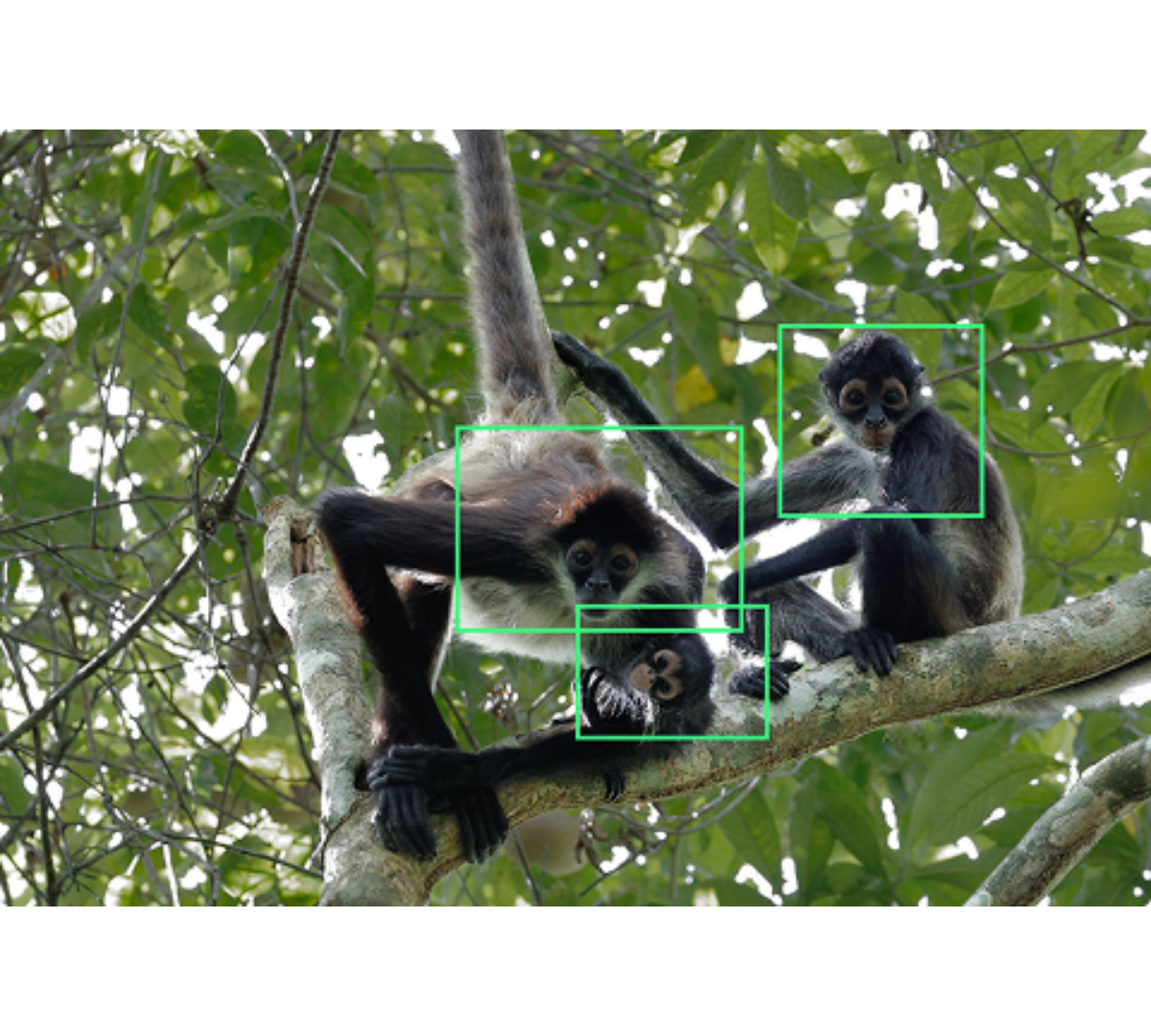
We develop software that transforms how biodiversity is monitored and translated into conservation action. By combining our ecological expertise, tools, and AI-powered analytics, our scalable workflows accelerate the generation of ecological insights.
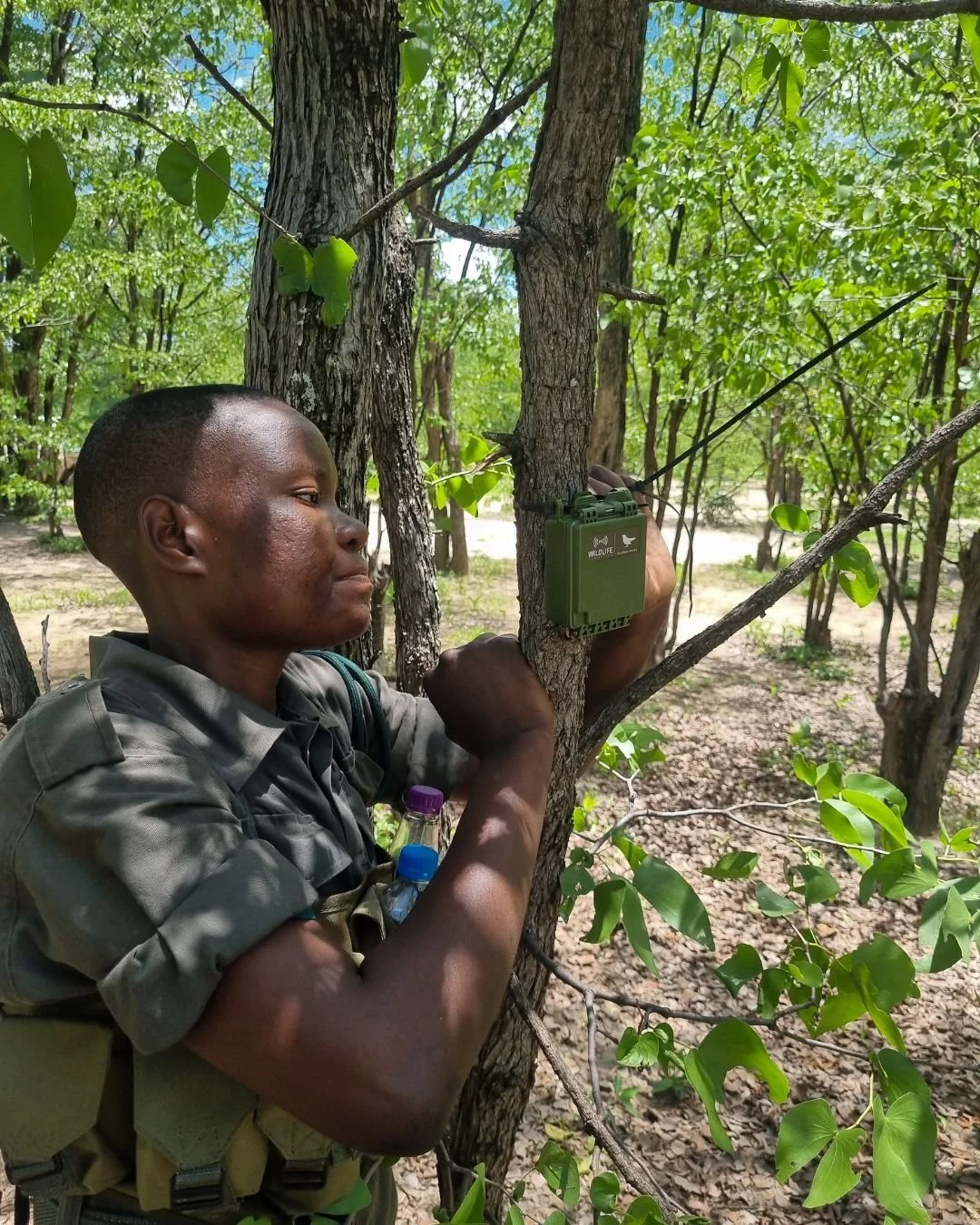
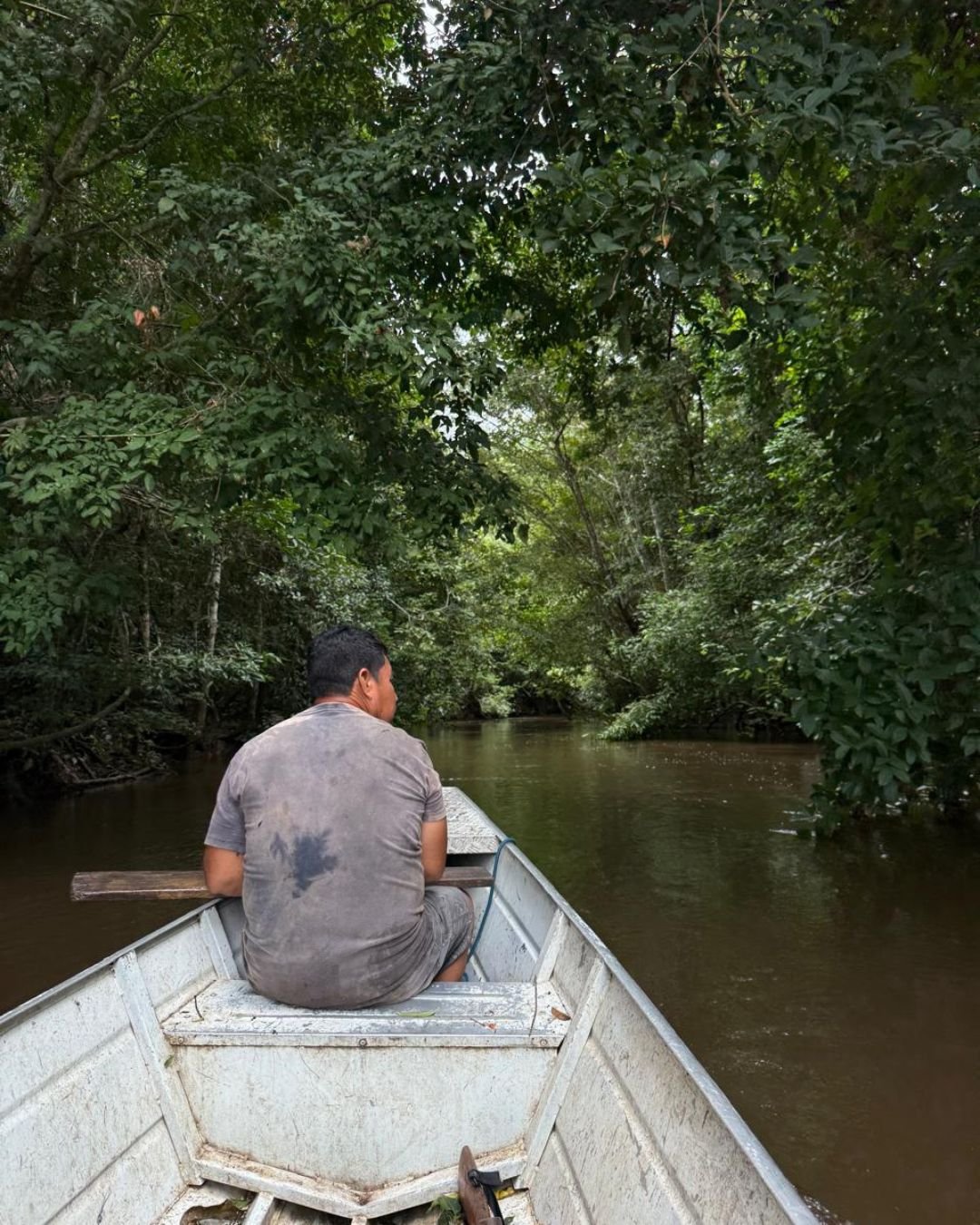
Locally-Led Monitoring
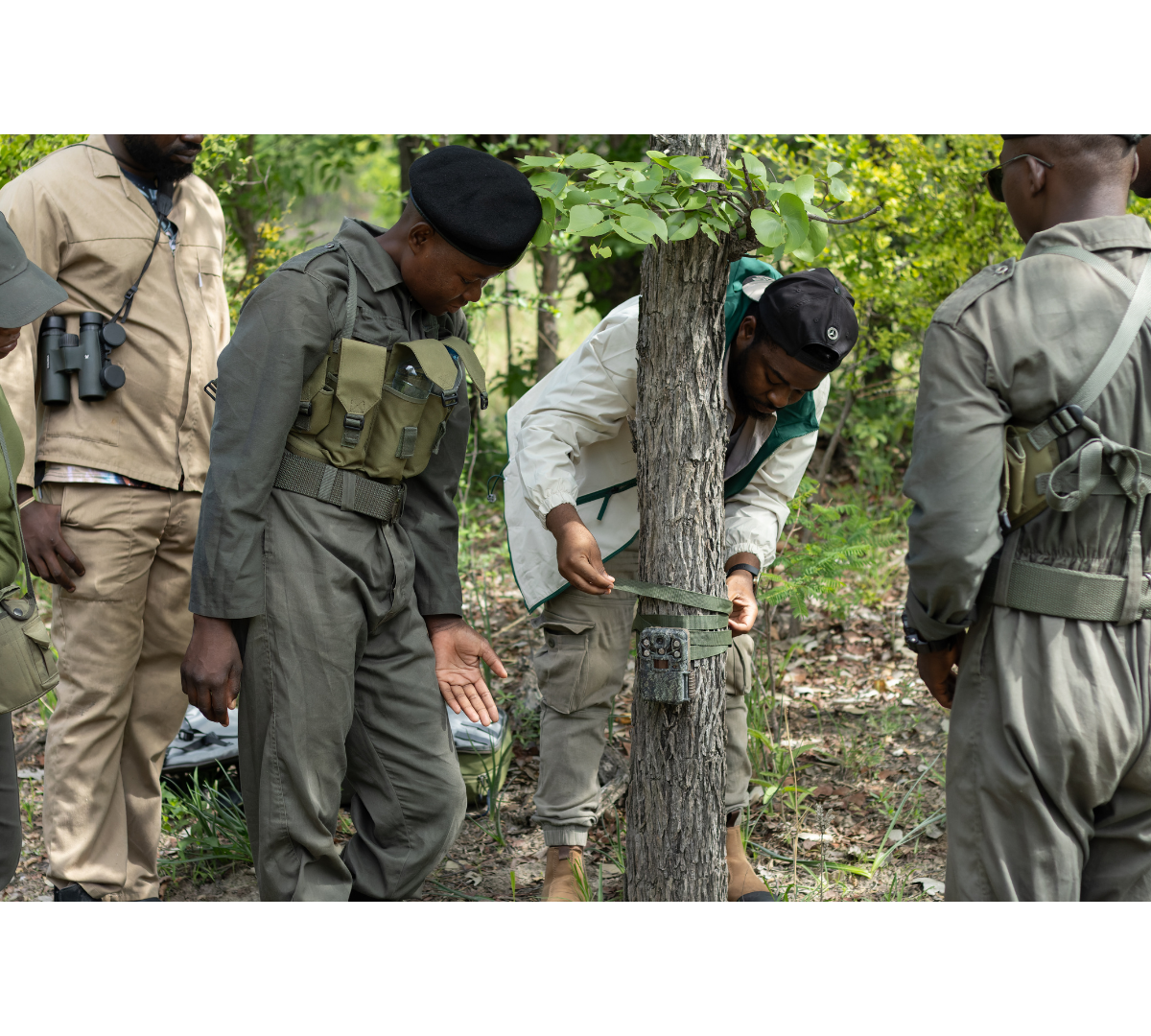
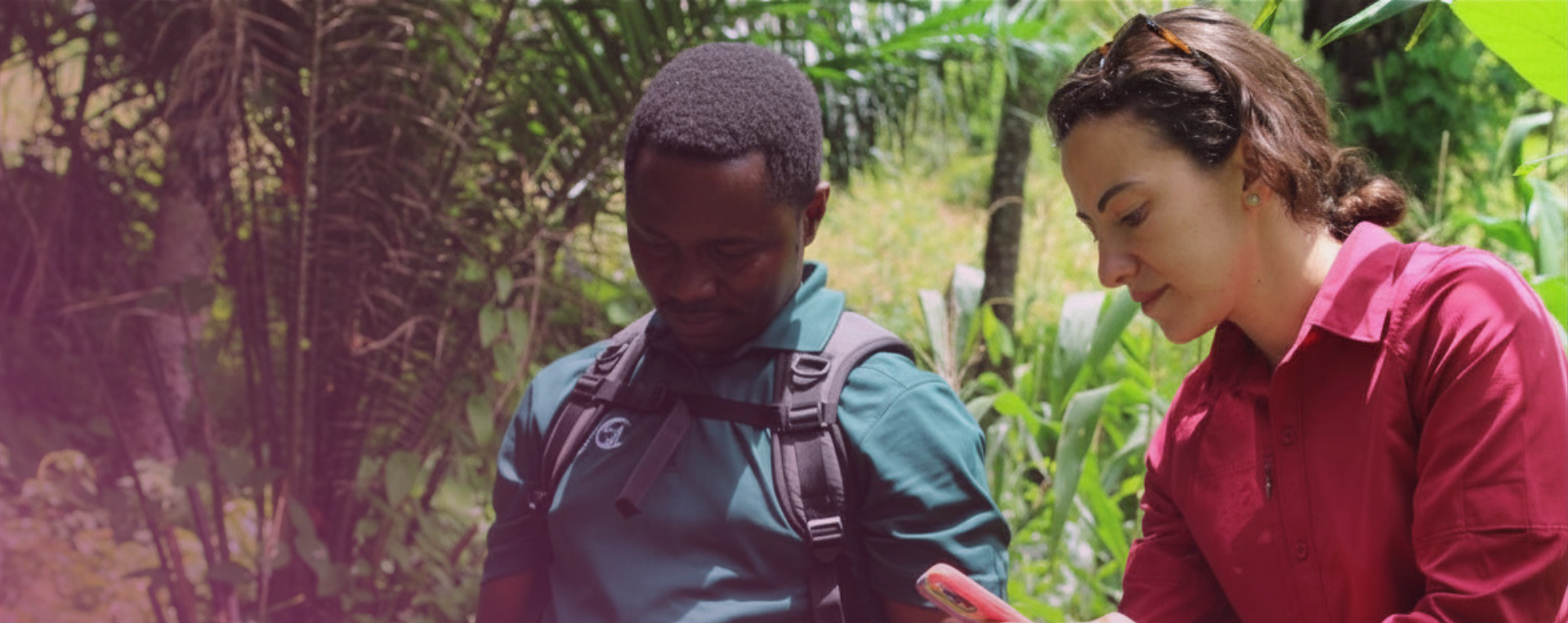
Our monitoring approaches are developed together with local communities and conservation partners to strengthen the capacity to autonomously monitor ecological change and make informed conservation decisions.
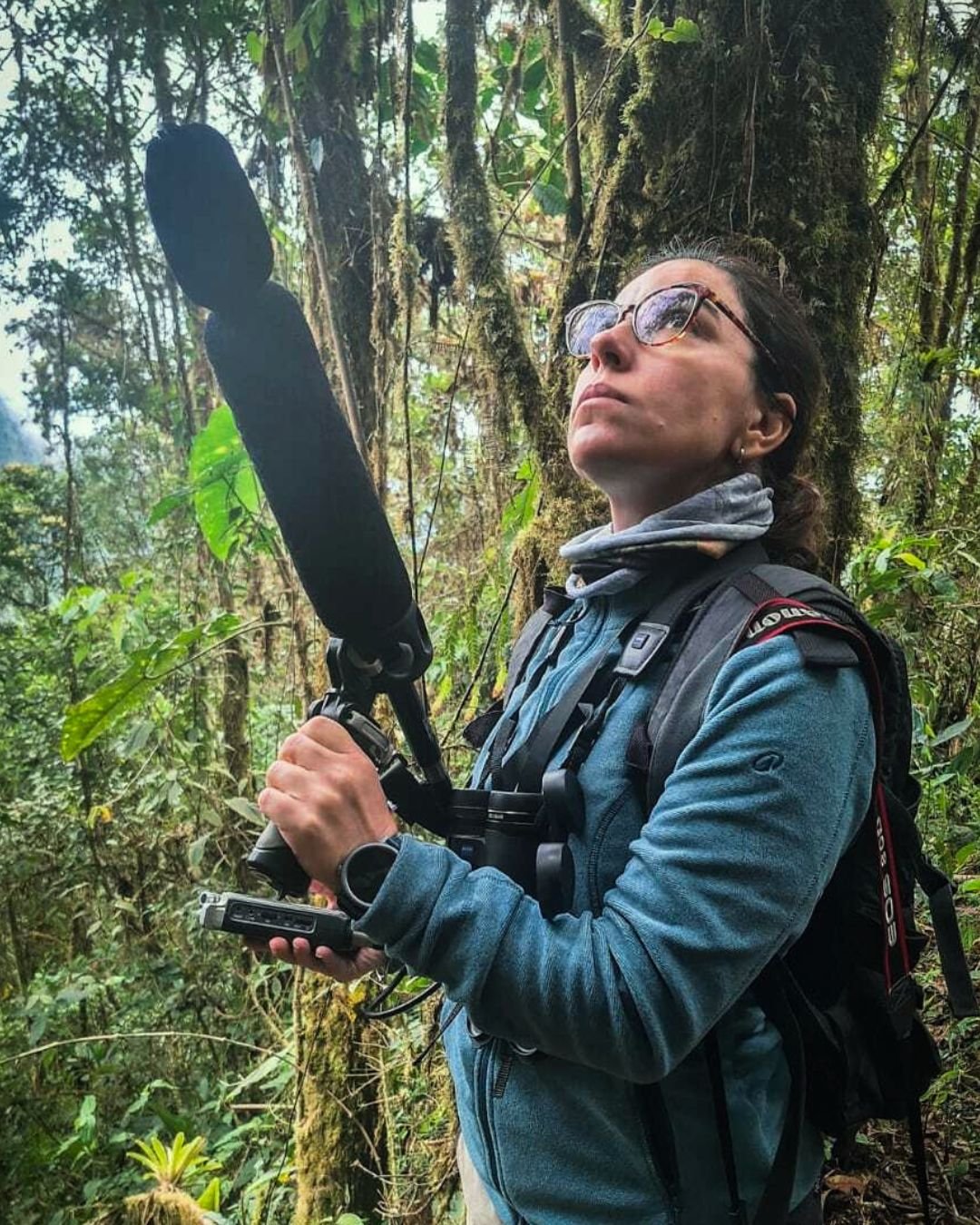
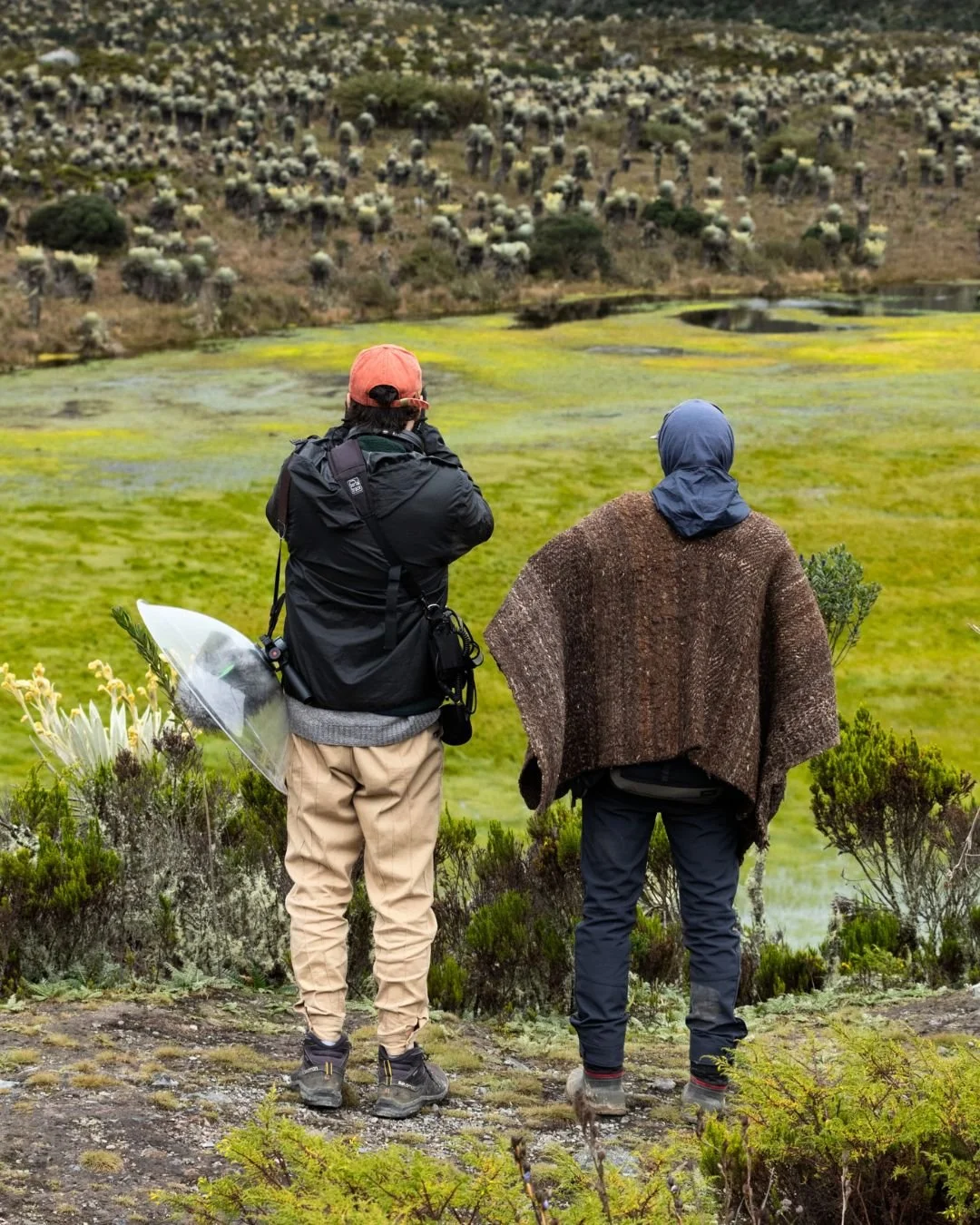


Our Theory of Change
Biodiversity loss is accelerating, yet the data needed to guide conservation is often fragmented, inaccessible, or difficult to use. If biodiversity data becomes more accessible, interpretable, and decision-ready, conservation practitioners and local communities can make better-informed decisions for nature.
We create this change through three interventions:
Collecting and integrating biodiversity data

We combine multiple biodiversity data sources to create a more complete understanding of ecosystem conditions
Transforming data into ecological insights
We transform complex biodiversity data into simple outputs, including high quality reports, comparable metrics, and science-based recommendations that can be applied in real conservation contexts.
Reducing barriers to action
Our accessible tools and AI workflows help conservation practitioners and communities use biodiversity information in real-world contexts.
Outcomes
If biodiversity monitoring becomes more accessible, decision-ready, and locally usable, this can lead to:

Better project planning and evaluation
Greater local participation
Improved monitoring of ecosystem change
More informed conservation decisions
Greater transparency, reporting, and accountability
Impact
Over time, these changes can contribute to more effective conservation outcomes, stronger ecosystem stewardship, and improved biodiversity resilience.
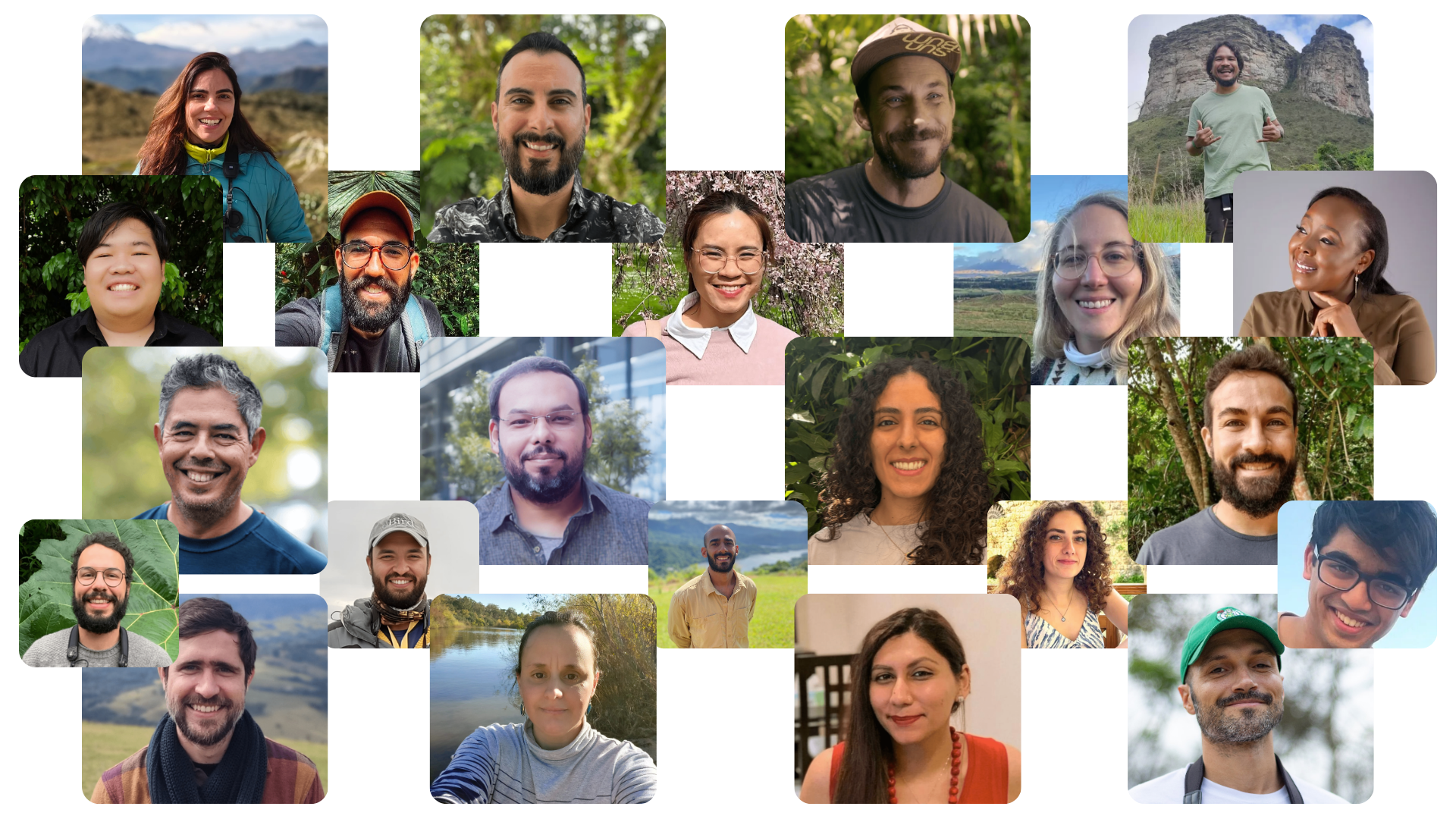
Our Team
Global experts in ecology and conservation technology.