
Our 2025 Highlights and the Year Ahead
Across the world, nature is changing, and so is the way we understand and protect it. While ecosystems face growing pressures, this year revealed countless signs of resilience: forests regenerating, wildlife returning to restored landscapes, and communities renewing their roles as stewards of ancestral land. At the same time, new tools and scientific approaches are giving us clearer insights than ever before, helping us act with greater precision and hope.
2025 underscored the importance of reliable biodiversity monitoring as a foundation for conservation and decision-making. High-quality data helps reveal how ecosystems respond to restoration efforts, supports conservation strategies, and offers communities and partners alike the insights needed to protect the landscapes they depend on.
Our Work Around the World
In 2025, our work reached every continent, except for Antarctica, and we partnered with numerous conservation stakeholders including conservation organizations, scientific institutions, and local communities to generate robust biodiversity assessments, deliver actionable ecological insights, and build capacity for data-driven conservation.
This work supported a range of conservation and restoration initiatives, including:
Regenerative agriculture initiatives designed to restore soil function and strengthen biodiversity within working landscapes
Forest restoration activities that help rebuild habitat structure and support long-term ecosystem resilience
Species conservation programs targeting indicator and threatened species critical to ecosystem balance
Island-wide biodiversity scenario planning, helping understand how ecosystems may respond to future environmental change
None of this work is possible without collaboration. Across these initiatives, we worked alongside a diverse network of partners including the VF Foundation, CIFOR, DRNA (Puerto Rico’s Environmental Agency), Google Arts and Culture, WeForest, Trees for the Future, NatGeo, Planet Indonesia, Wyss Academy, LandBanking, Ipê, iBOL, Huawei, RESTOREID, and Health in Harmony.
Each bringing unique expertise, local insight, and long-standing commitment to conservation.
Wildlife and Ecosystem Benefits
In 2025, one of our most impactful projects deepened understanding of how forest structure shapes biodiversity in the Brazilian Amazon.
Working alongside David Luther and researchers at George Mason University, we contributed to long-term research sites near Manaus to explore how the three-dimensional architecture of tropical forests influences bird and mammal diversity. By integrating cutting-edge satellite data with on-the-ground monitoring, this collaboration revealed new, scalable ways to assess ecosystem health in rapidly changing landscapes.
Our research combined spaceborne LiDAR from NASA’s GEDI mission with passive acoustic monitoring and camera traps deployed at the Biological Dynamics of Forest Fragments Project (BDFFP) and the UFAM Reserve. Using biodiversity sound data collected between 2022 and 2024, we analyzed tens of thousands of minutes of recordings alongside in situ wildlife detections.
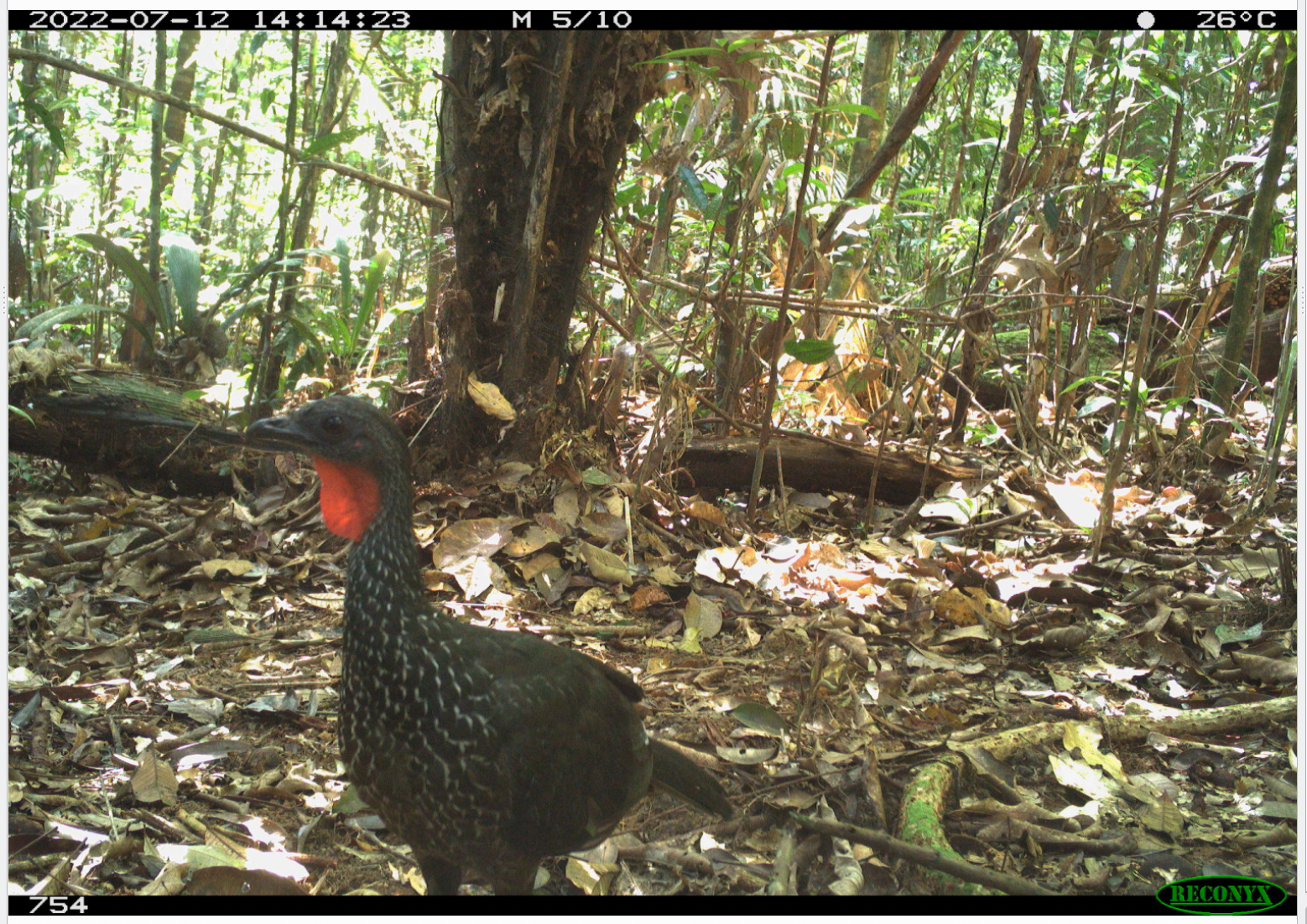
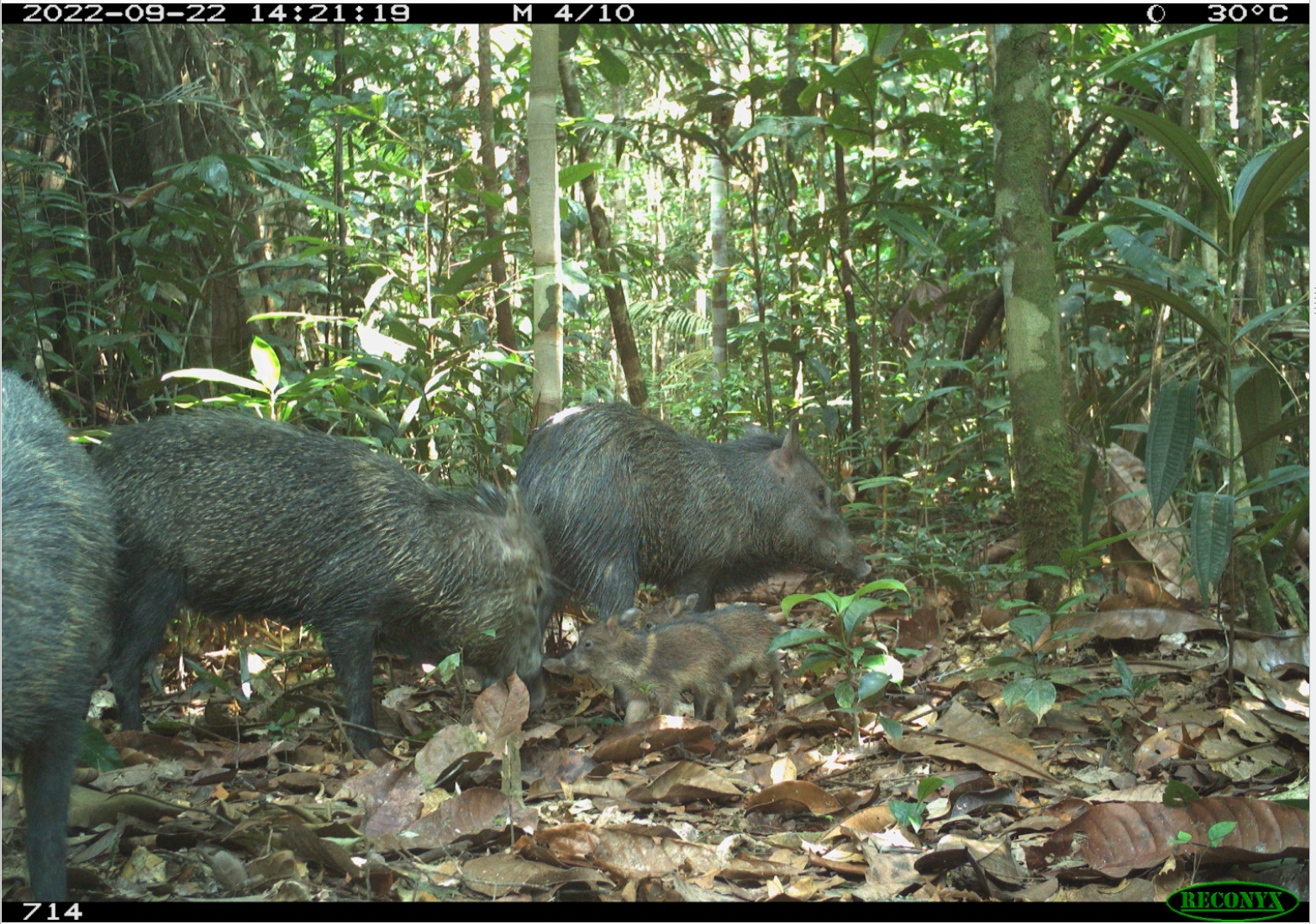
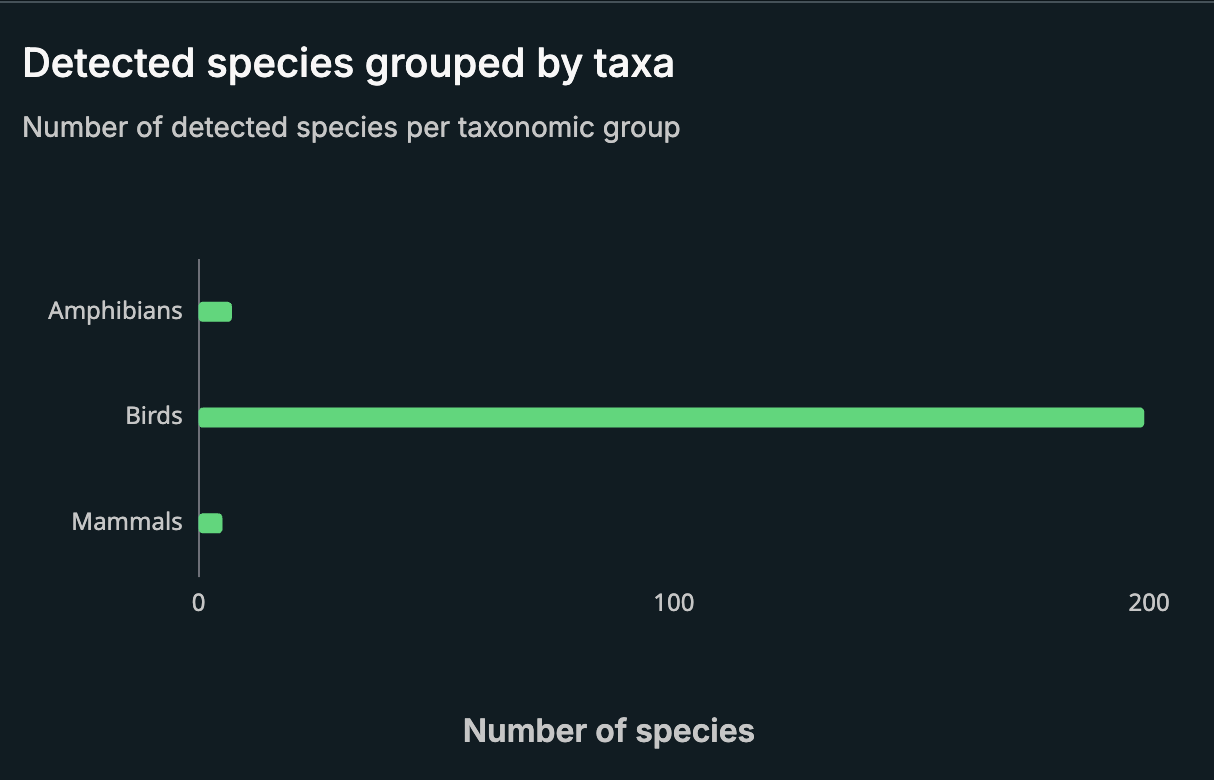
Within just four months of analysis, our monitoring detected over 230 species, including more than 200 bird species and 35 mammal species, capturing the majority of wildlife known from the region. By pairing species detections with detailed measurements of vertical forest structure, we were able to examine how habitat complexity influences local biodiversity patterns.
The results were clear: sites with greater vertical forest structure consistently supported higher species diversity, providing strong empirical support for the habitat heterogeneity hypothesis at local scales. This work demonstrates that globally available satellite data, when combined with ground-based monitoring, can reliably predict biodiversity patterns across tropical forests.
Beyond advancing ecological theory, these findings offer conservation practitioners and policymakers a powerful new tool to anticipate species distribution, monitor ecosystem health, and guide restoration and protection strategies in the Amazon. As climate change and land-use pressures intensify, this approach strengthens our ability to act early, strategically, and at scale. Learn more about this work here.

Empowering Local Communities
From 2024 to 2025, we worked closely with our on-the-ground partner, Health in Harmony (HiH), in Panama’s Darién Province. We trained HiH staff in biodiversity monitoring, who then worked directly with the Indigenous communities to strengthen nature-based economies rooted in their territories. Across the Indigenous lands of Puerto Lara, Alto Playon, and Embera Puru, this project integrated conservation, cultural values, and economic sustainability in landscapes that include primary and secondary forests, ecotourism sites, and agricultural plots of high ecological importance.
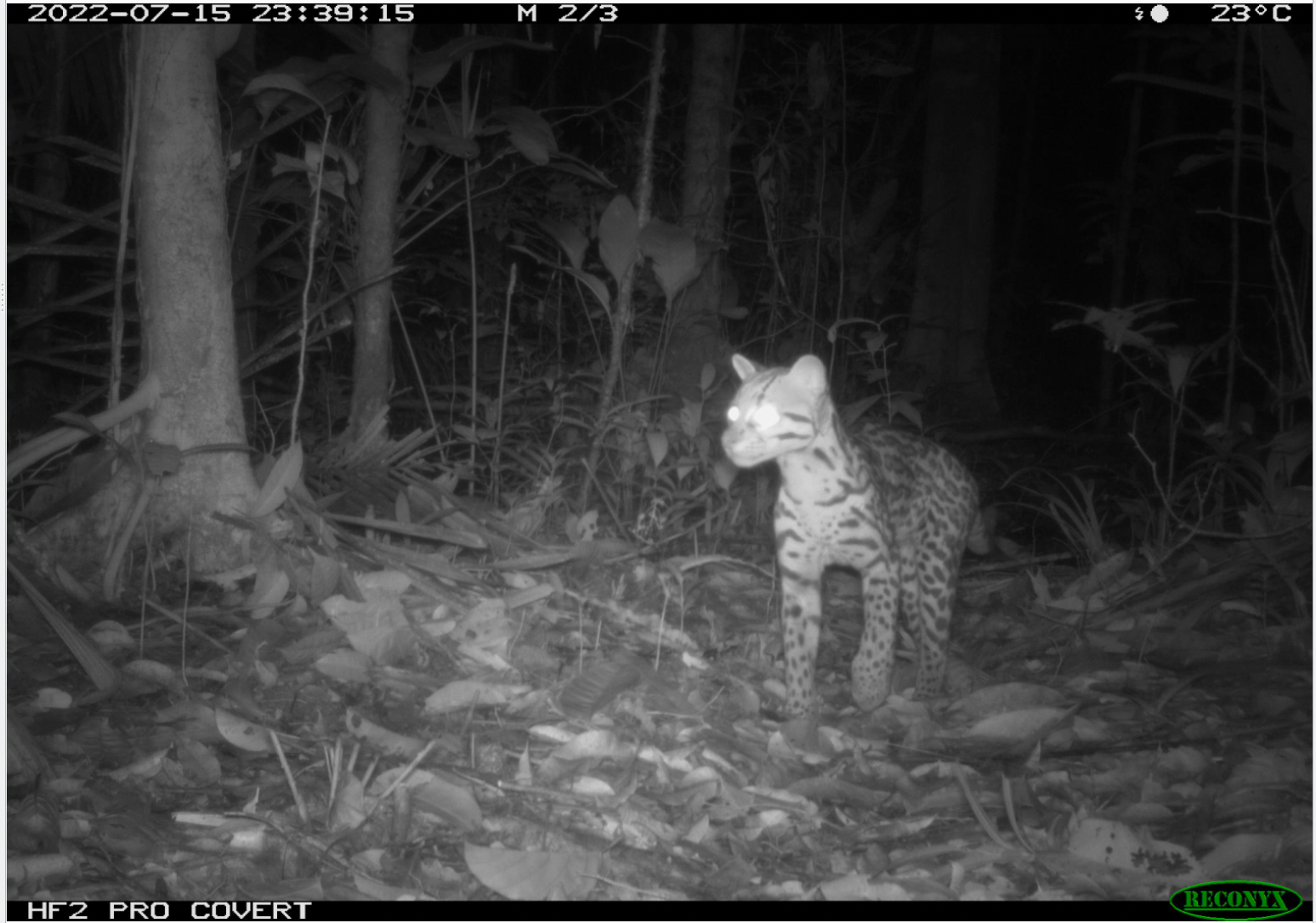
We supported the deployment of ecoacoustic monitoring and ecological field surveys to track biodiversity patterns across seasons and habitats. Monitoring focused on key focal species including manakin birds, margays, amphibians, jaguars, harpy and crested eagles, deer, peccaries, and tapirs, whose presence and activity provide critical indicators of ecosystem health.
By implementing this monitoring system, the project equipped Indigenous Peoples with the data needed to make informed decisions about their natural resources, ensuring that conservation strategies are both scientifically robust and locally driven. Biodiversity monitoring outputs are also now being used to co-develop and test a value-enhancing prototype label that links verified ecological stewardship to Indigenous-led nature-based businesses, such as ecotourism and sustainable land-use enterprises.
The prototype label ensures that conservation efforts are visible and rewarded in the market, building trust and long-term sustainability for nature-based enterprises. Together, these outcomes reinforce Indigenous sovereignty, support resilient local economies, and safeguard some of Panama’s most biologically rich and culturally significant landscapes, demonstrating how conservation and economic wellbeing can advance hand in hand.
Advancing Global Biodiversity Monitoring Using Ecoacoustics
In 2025, we focused on solving one of the central challenges in ecoacoustic science: how to turn massive volumes of audio recordings into reliable, actionable biodiversity data at scale, and across diverse ecosystems. To do this, we focused on 2 main initiatives.
1. Our Acoustic Pipeline: A Scalable AI Workflow
Built around modular components and open biodiversity data, this system combines pre-trained AI models, audio embeddings, and intuitive validation tools to support biodiversity monitoring across regions, taxa, and research goals. In 2025 alone, we applied this workflow across 14 projects in 10 countries, processing over 10 million minutes of audio and detecting hundreds of species—from birds and mammals to amphibians and insects—helping teams answer critical ecological questions faster and more effectively than ever before.
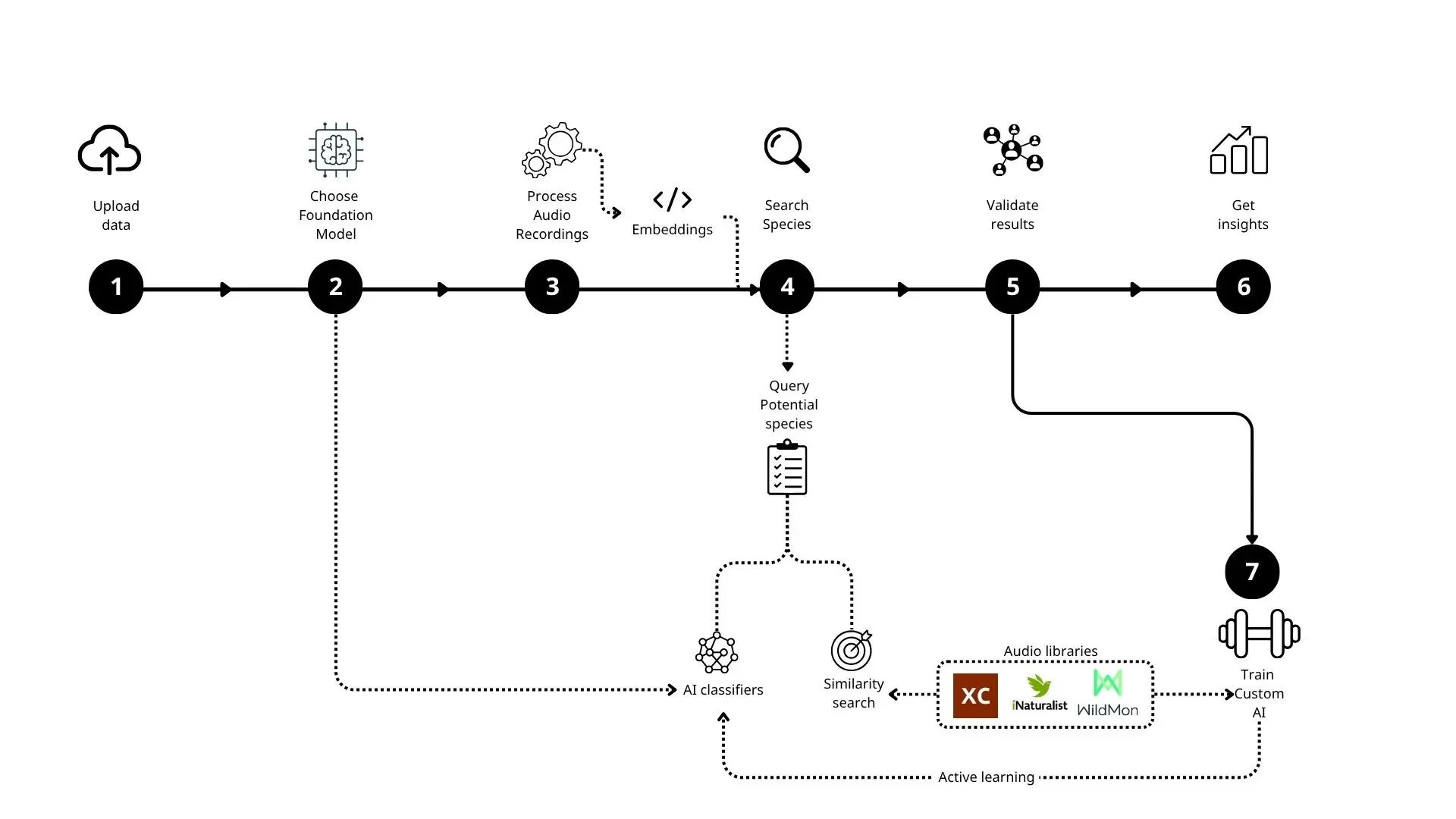
Our workflow is built around a simple principle: extract audio embeddings once, then reuse them for all downstream analysis. Field recordings are uploaded to a cloud-based system, segmented, and processed using pre-trained AI foundation models such as BirdNET, Perch, or BirdSET. These models convert raw audio into compact numerical representations of sound, known as embeddings. While this initial step is computationally intensive, it only needs to happen once per dataset, enabling efficient and repeatable analysis at scale. Acoustic indices are also computed to support broader ecological assessments.
To improve accuracy and ecological relevance, we generate location-specific species lists by combining recording coordinates with open biodiversity databases like GBIF. This helps constrain analyses to species likely to occur in each area, while also highlighting taxa underrepresented in existing models such as amphibians, insects, and some mammals. Species detection then combines two complementary approaches: AI classifiers rapidly identify common species, while embedding-based similarity search allows us to detect rare, local, or poorly documented species, not present in current models, by matching their reference calls to similar sounds in the dataset.
Human validation remains central to the workflow. A web-based interface allows users to efficiently review not all, but only the detections relevant to their ecological goals, rather than validating every result. Each detection is supported by audio clips, spectrograms, and reference calls, making the process accessible even to non-specialists. Validated outputs can be exported for ecological analysis, shared through global biodiversity standards such as Darwin Core, and reused to train lightweight custom models, ensuring the system improves over time while remaining transparent, collaborative, and scientifically robust.
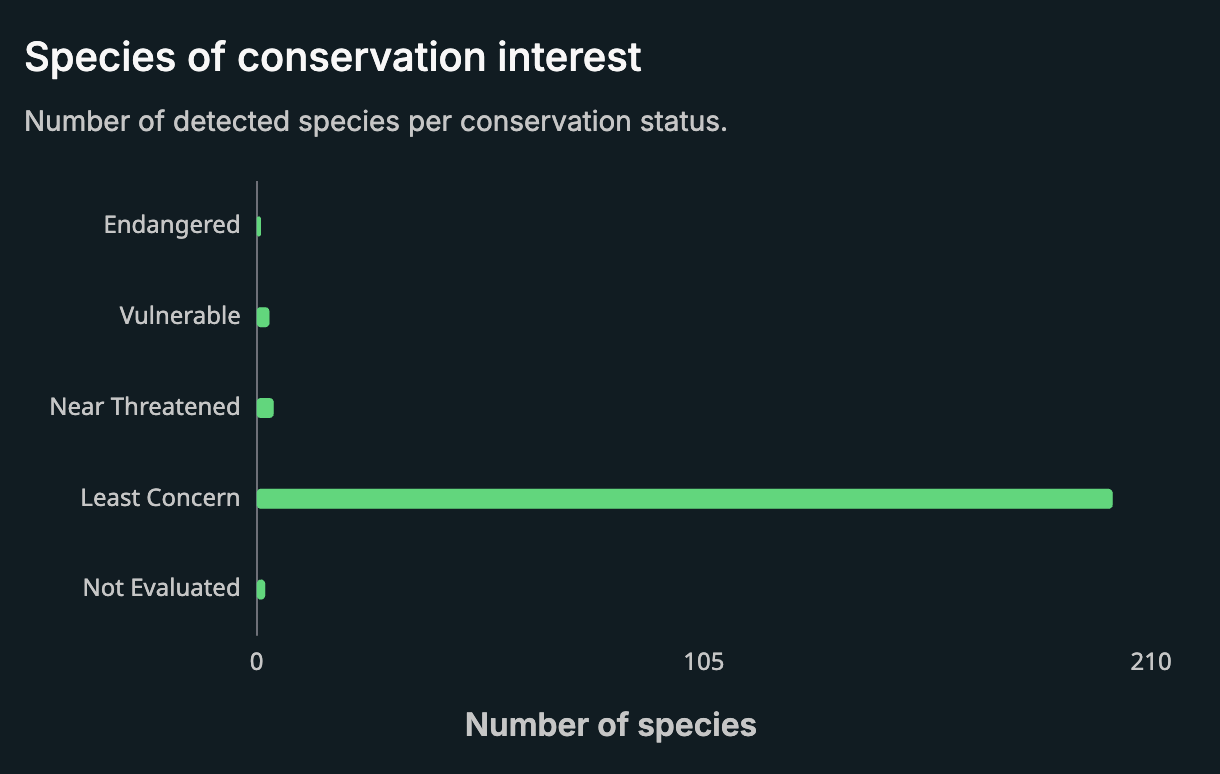
Compared to traditional approaches relying on manual inspection and template matching, this workflow increased species detection rates by approximately 40%, uncovering a broader and more diverse range of vocal species. Notably, projects identified an average of 6.3 endangered species per site, underscoring the system’s value for conservation planning and early detection in threatened ecosystems.
Looking towards the future, we are excited about making this model available for the conservation community in 2026. You can learn more about our acoustic pipeline here.
2. Forest Listeners
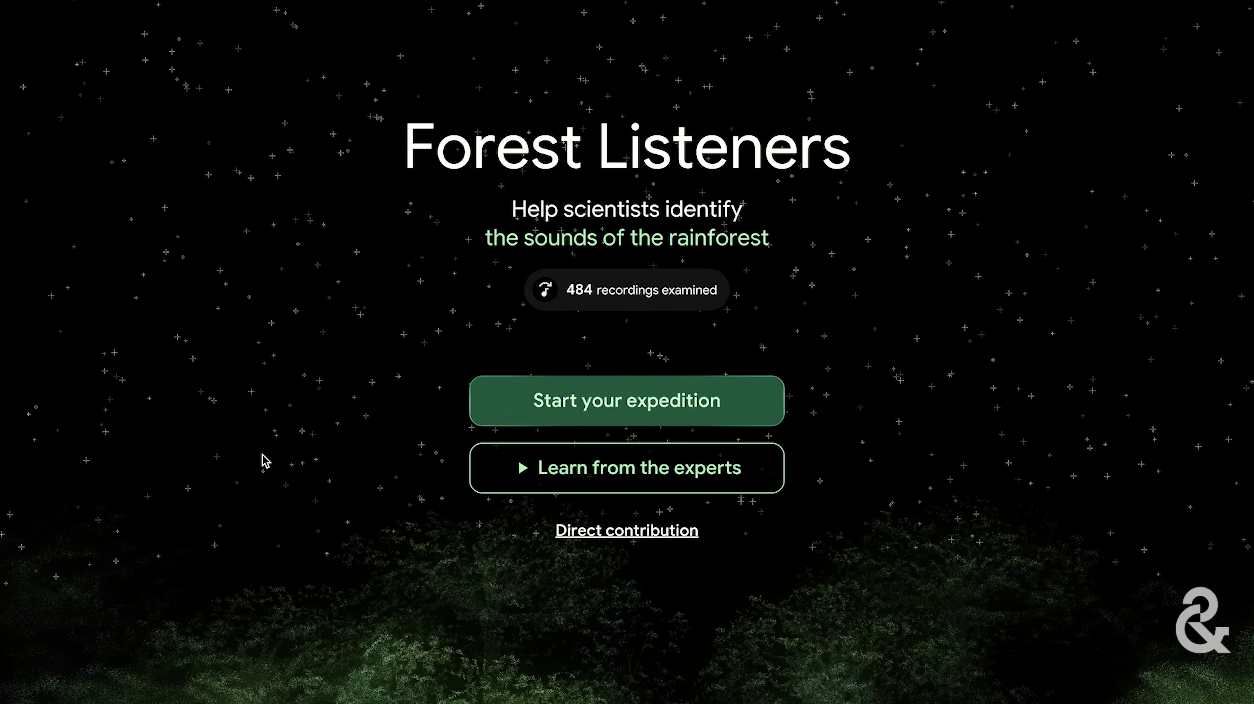
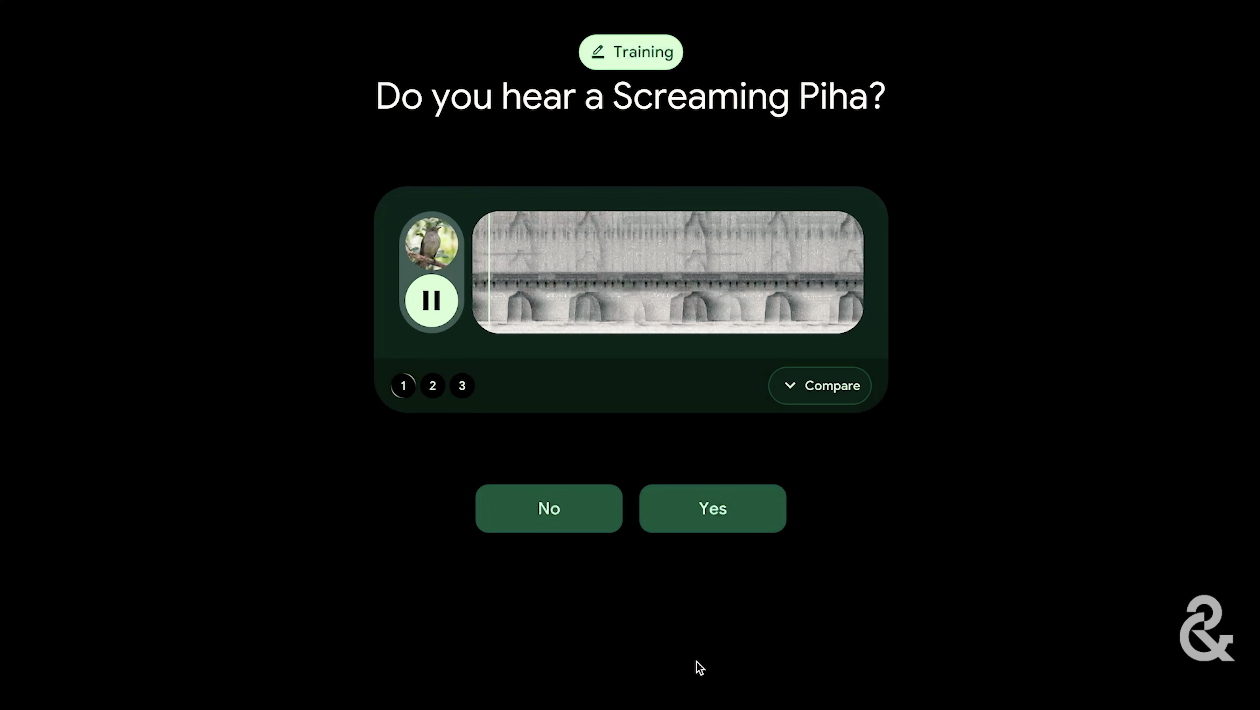
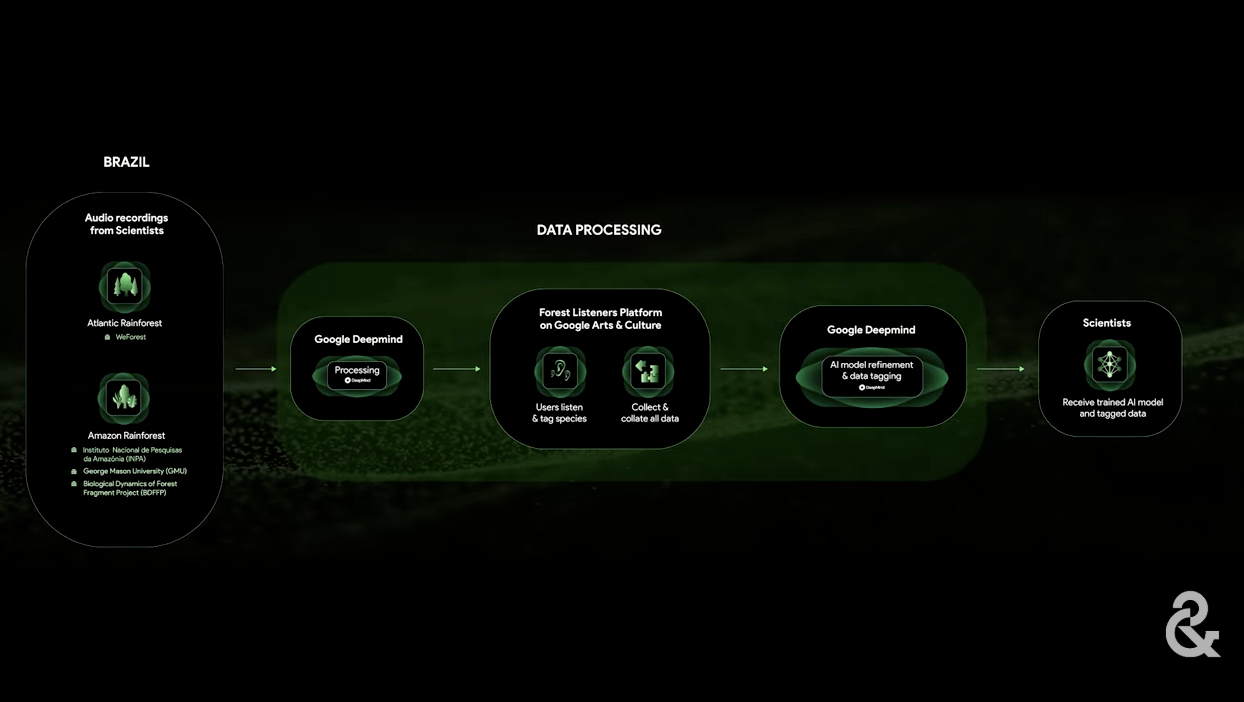
To further address the data and validation bottleneck, we also launched Forest Listeners in collaboration with Google Arts and Culture. Forest Listeners is a global platform that enables people around the world to help tag species calls within large acoustic datasets, directly improving Perch, Google DeepMind’s species-classification model. By inviting a global audience to participate in sound-tagging, we are helping to increase the diversity of labeled audio available for model development, and ultimately speed up the way biodiversity can be assessed, ecosystem change tracked, and restoration outcomes measured at scale. Contribute to Forest Listeners here.

Building the Future of Biodiversity Monitoring
As we enter 2026, we remain committed to deepening partnerships across continents and expanding access to tools that make biodiversity monitoring more transparent, integrated, and widely used. Our vision is simple but transformative: to give everyone involved in conservation, from project implementers to scientists to local communities to on-the-ground partners, the ability to monitor and understand biodiversity with greater autonomy.
Our integrated approach to biodiversity monitoring reinforces this by combining passive acoustics, satellite imagery, camera trap, and citizen-science data, together with our role as Wildlife Insights’ Secretariat, where we provide operational, governance, financial, and strategic leadership to ensure the platform’s long-term growth.
Together, these efforts signal a shift toward more connected, open systems for biodiversity monitoring.